
Opportunities and Challenges of the Paper Industry in the Coming Time
The Vietnamese economy in general and the paper industry specifically have shown positive signs in the first five months of 2020. Estimated paper output reached 1.85 million tons, an increase of 7.8%; paper exports reached 656.9 thousand tons, up 97.4%; and paper imports reached 853.1 thousand tons, up 7.8% compared to the same period in 2019. Notably, packaging paper and tissue paper saw growth in production, exports, and imports.
Positive Trends
Domestic output of map paper and packaging paper is expected to rise sharply again from Q3 of 2020, due to the recovery of recycled paper supply within the country, improved global supply, and enhanced logistics capacity. Recycled paper prices are also decreasing, with a downward trend anticipated in the near future. Domestic demand for packaging paper is expected to surge from Q3 2020 onwards, as Vietnam is anticipated to announce the end of the pandemic in July 2020. The EVFTA (EU-Vietnam Free Trade Agreement) will encourage and stimulate exports of garments, seafood, footwear, and electronics, alongside increased FDI inflows into Vietnam. The government has set a GDP target of 4.5 - 4.8% for 2020.
Consumption of printing and writing paper is also projected to increase from Q3 2020. Similarly, the production and export of notebooks and domestic processing of goods are expected to rebound.
The demand for tissue paper is anticipated to rise again from Q3 2020 due to the growth of the food service sector and a tourism boost driven by stimulus packages in preparation for the peak season in Q3.
The price of pulp may increase in Q3 2020, as pulp mills in South America adjust their long-term maintenance schedules from Q2 to Q3, and the demand for printing and writing paper rises in Western Europe and North America.
The price of imported recycled paper is likely to fall sharply as supply recovers in Western Europe and North America. However, paper production demand in major importing countries like India, Mexico, and Indonesia has yet to recover, and economic activity remains sluggish due to the pandemic. China has approved imports of 4.51 million tons of recycled paper in the first four months of 2020, down 43% year-on-year. It is projected to import a total of 7 million tons by year-end (compared to 11 million tons in 2019).
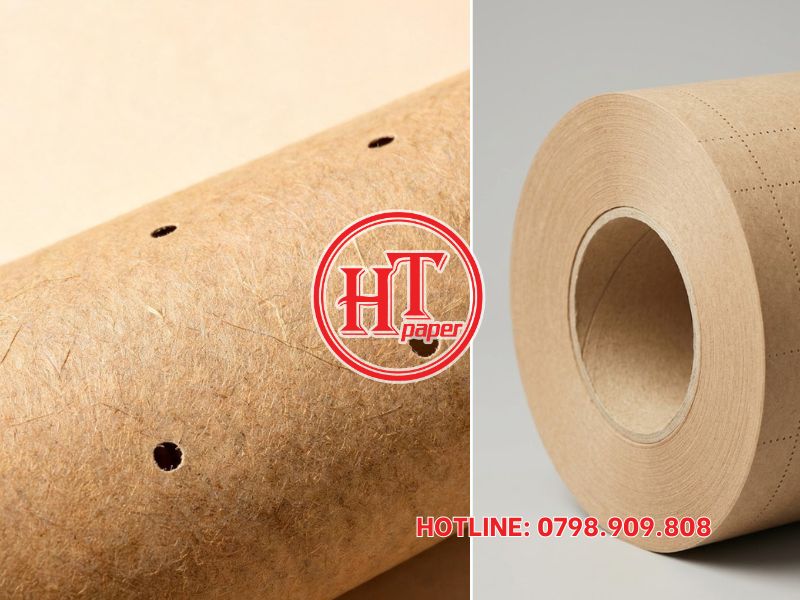
Trong dây chuyền sản xuất may mặc công nghiệp, sự xuất hiện của các dòng máy cắt vải tự động CNC (đến từ các thương hiệu hàng đầu như Lectra, Gerber, Bullmer, Kuris...) đã tạo ra bước tiến vượt bậc về năng suất và độ chính xác. Tuy nhiên, để hệ thống cắt tự động vận hành trơn tru và đạt hiệu quả tối đa, việc sử dụng giấy đục lỗ hút chân không ở lớp đáy bàn cắt là một yêu cầu kỹ thuật bắt buộc.
Vậy nguyên lý hoạt động đằng sau vật tư này là gì? Tại sao các xưởng may không thể thay thế bằng giấy phẳng thông thường? Hãy cùng Giấy Hải Tín phân tích chi tiết qua bài viết dưới đây.
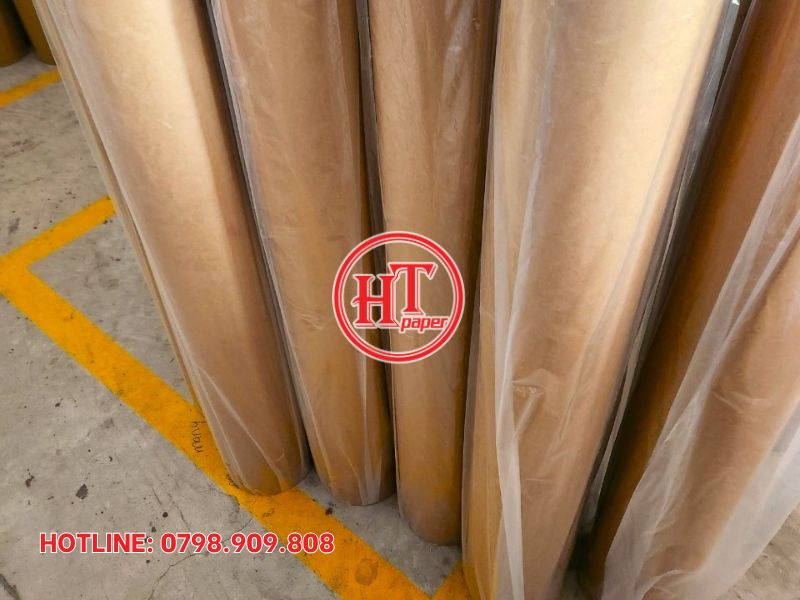
Trong quy trình sản xuất may công nghiệp, việc tạo nên những bộ mẫu chuẩn form, sắc nét và có thể tái sử dụng nhiều lần là yếu tố quyết định đến độ chính xác của toàn bộ lô hàng. Đóng vai trò cho khâu thiết kế mẫu, giấy rập chính là vật tư không thể thiếu tại mọi phòng kỹ thuật và xưởng may.
Nếu bạn đang tìm kiếm nguồn giấy rập ngành may chất lượng cao, định lượng chuẩn với giá sỉ tối ưu tại TP.HCM, hãy cùng Giấy Hải Tín tìm hiểu chi tiết qua bài viết dưới đây.
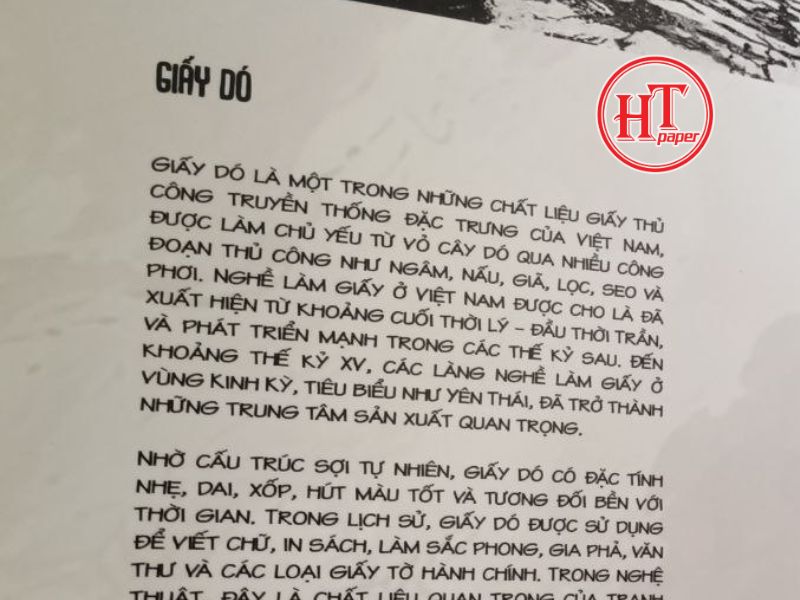
Giấy dó từ lâu đã gắn liền với lịch sử văn hóa, nghệ thuật và thủ công truyền thống của người Việt. Giữa thời đại số hóa và sự lên ngôi của các loại giấy công nghiệp hiện đại, loại giấy làm từ vỏ cây thủ công này vẫn giữ một vị trí đặc biệt.
Bài viết này sẽ giúp bạn hiểu rõ bản chất giấy dó là gì, quy trình làm ra chúng cũng như giá trị thực tiễn và khả năng ứng dụng của giấy dó trong đời sống hiện đại.

Khi những xu hướng thiết kế hiện đại đang dần bị bão hòa bởi các chất liệu công nghiệp như fomat, mica hay nhựa tổng hợp, sự xuất hiện của triển lãm "Cóc Cốc Tùng Tùng" tại Đình Sơn Trà giống như một khoảng lặng đầy bất ngờ. Trái tim của không gian trưng bày năm nay — cụm tác phẩm "Cóc kiện trời" khổng lồ cùng hệ thống 21 chiếc lồng đèn thủ công — hoàn toàn được dựng lên từ những vật liệu cơ bản nhất: tre, trúc và giấy dó.
Dưới lăng kính của những người làm nghề và nghiên cứu vật liệu, đây không đơn thuần là một sản phẩm trang trí mùa lễ hội, mà là một bài toán kỹ thuật thực thụ về sức chịu lực và cấu trúc tạo hình.