What is Recycled Paper ? Paper Recycling Process
Recycled paper is increasingly favored for its numerous benefits, aiding environmental protection and resource conservation effectively.
1. What is Recycled Paper?
Recycled paper is a type of paper made from used paper scraps, rather than fresh materials like wood. Discarded paper is collected, processed, and transformed into new paper.
This process not only helps conserve natural resources but also reduces waste in the environment. Using recycled paper is a sustainable solution to environmental protection.
2. Production Process
1. Collection, Sorting, and Cleaning
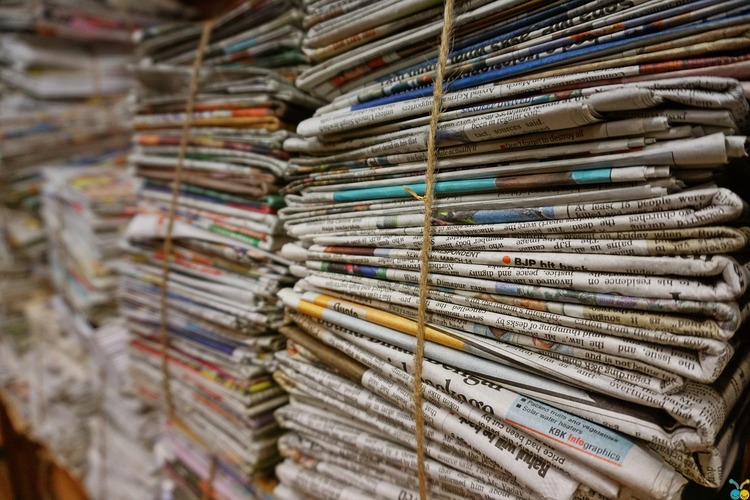
- Waste Paper Collection: Waste paper is collected from various sources, such as households, businesses, factories, etc.
- Sorting: After collection, waste paper is sorted based on factors like quality, cleanliness, and type.
- Removing Impurities: Impurities like dust, ink, staples, and plastic are removed.
- Preparation: The waste paper is then sorted, compacted, and packaged for recycling.
2. Pulping & De-inking
After cleaning, the paper is shredded and turned into pulp. During this process, ink and pigments are removed from the pulp using chemicals that help separate and float the particles away.
3. Bleaching and Blending
Once the ink is removed, the pulp is refined and bleached. For some types of recycled paper, eco-friendly bleach agents like hydrogen peroxide or oxygen are used. Depending on the desired quality and type of paper, a small amount of virgin pulp (made from new wood) may be blended with the recycled pulp to enhance the physical properties of the final paper product.
4. Molding & Drying
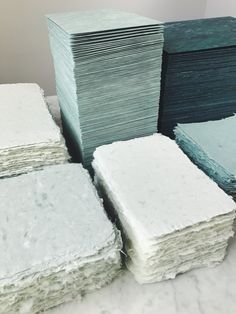
The pulp is then spread thinly over a mesh screen in a papermaking machine, allowing excess water to drain and form the paper sheet. Wet paper sheets pass through press rollers to remove remaining moisture and are dried using heated rollers or hot air to reach the desired moisture level.
5. Smoothing and Rolling
After drying, the paper is smoothed for even thickness and flatness, then rolled into large reels or cut to various sizes for commercial purposes.
6. Quality Inspection and Packaging
The final paper undergoes quality inspection to meet standards for thickness, brightness, and durability. Once approved, it is packaged and distributed to end-users or other manufacturers.
3. Application
Recycled paper appears daily in our lives, including in:
- Offices: printing paper, writing paper, file folders, notebooks.
- Packaging: boxes, paper bags, and cardboard cartons.
- Daily Consumer Goods: tissues, toilet paper, and paper towels.
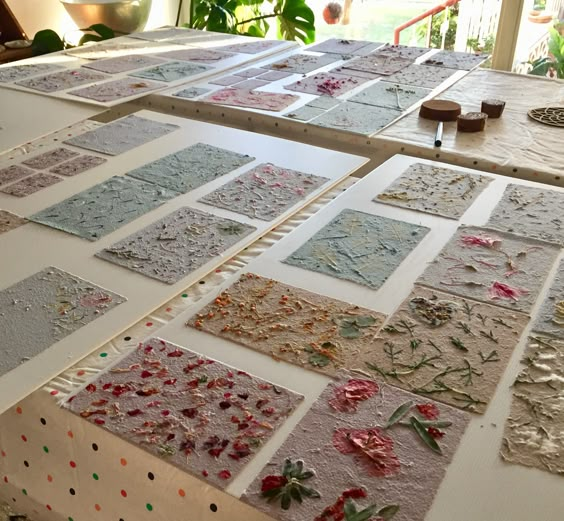
- Art and Design: greeting cards, decorative paper, and handmade crafts. Many young artists today incorporate recycled materials into their works, including paintings, models, and sculptures.
- Apparel Industry: recycled paper is sometimes used as pattern paper in clothing design and production.
4. Benefits and Identification of Recycled Paper
a. Benefits
- Forest Conservation: Reduces the need for wood, helping preserve natural habitats for various plant and animal species.
- Energy and Water Savings: Producing recycled paper uses less energy and water than making new paper from virgin wood pulp.
- Pollution Reduction: Recycling paper lowers greenhouse gas emissions and water pollution, and reduces landfill waste.
b. How to Identify Recycled Paper
Recycled paper has many identifying characteristics compared to paper made from raw materials:
- Color: Recycled paper often has a slightly off-white or gray color due to minimal chemical bleaching. It may have small specks from old paper fibers.
- Texture: It has a rougher surface and lacks the smoothness of new paper, with a subtle coarseness to the touch.
- Recycling Logo: Many recycled paper products have a recycling symbol on the packaging or on the paper itself for easy recognition.
- Scent: Sometimes, recycled paper has a faint, unique smell from the lack of chemical bleaching. However, this scent is not unpleasant and fades quickly when exposed to air.
- Thickness and Weight: Recycled paper may have inconsistent thickness, especially with multiple recycling cycles, and is often lighter due to less virgin material.
5. Questions
1. Is Recycled Paper Safe?
Answer: Recycled paper is completely safe when produced correctly and used appropriately. Safety depends on the quality and recycling process of the manufacturer.
For Non-Food Applications: Recycled paper is safe for office products, non-food packaging, printing paper, and crafts.
For Food Packaging: If used for direct food contact, recycled paper must meet strict safety regulations and undergo testing.
Conclusion: Certified testing and validation are required for recycled paper products used in food applications.
2. Where to Buy Recycled Paper?
- Answer: Recycled paper can be found at stationery stores, supermarkets, or online marketplaces. Many suppliers specialize in offering a wide variety of recycled paper options, suitable for both businesses and individuals.
3. Where to Find Recycled Paper Suppliers in Ho Chi Minh City?
- Answer: Hải Tín Paper proudly supplies quality paper products in Ho Chi Minh City and throughout Southern Vietnam. With nearly 20 years of experience in paper production and supply, Hải Tín’s dedicated team is always ready to address any questions and challenges business partners may have.
With the motto “Quality goes with the brand,” Hải Tín has achieved recent milestones:
- Top 10 Trusted Brands (2018 – 2022)
- Co-host of the “Escape: Overcoming the Thinking Syndrome” talk show
- Top 5 Trusted Brands 2023
- In addition to contributing to the paper industry, Hải Tín actively supports community initiatives, aiming to provide meaningful values for future generations
For more information : click here
Conclusion
Recycled paper is an effective solution for environmental protection, resource conservation, and waste reduction. Alongside using recycled paper, we should increase awareness about paper product conservation and educate future generations on environmental responsibility.
--------------------------------------------------------------------------------------------
Working Hours - Monday - Saturday : 08:00 am - 05:30 pm
Hotline:
CHINESE : 0938 808 998
ENGLISH : 0799.909.808
For more product: tại đây
Email: haitinco@gmail.com - kinhdoanh@haitinpaper.com
Giấy dó từ lâu đã gắn liền với lịch sử văn hóa, nghệ thuật và thủ công truyền thống của người Việt. Giữa thời đại số hóa và sự lên ngôi của các loại giấy công nghiệp hiện đại, loại giấy làm từ vỏ cây thủ công này vẫn giữ một vị trí đặc biệt.
Bài viết này sẽ giúp bạn hiểu rõ bản chất giấy dó là gì, quy trình làm ra chúng cũng như giá trị thực tiễn và khả năng ứng dụng của giấy dó trong đời sống hiện đại.

Khi những xu hướng thiết kế hiện đại đang dần bị bão hòa bởi các chất liệu công nghiệp như fomat, mica hay nhựa tổng hợp, sự xuất hiện của triển lãm "Cóc Cốc Tùng Tùng" tại Đình Sơn Trà giống như một khoảng lặng đầy bất ngờ. Trái tim của không gian trưng bày năm nay — cụm tác phẩm "Cóc kiện trời" khổng lồ cùng hệ thống 21 chiếc lồng đèn thủ công — hoàn toàn được dựng lên từ những vật liệu cơ bản nhất: tre, trúc và giấy dó.
Dưới lăng kính của những người làm nghề và nghiên cứu vật liệu, đây không đơn thuần là một sản phẩm trang trí mùa lễ hội, mà là một bài toán kỹ thuật thực thụ về sức chịu lực và cấu trúc tạo hình.
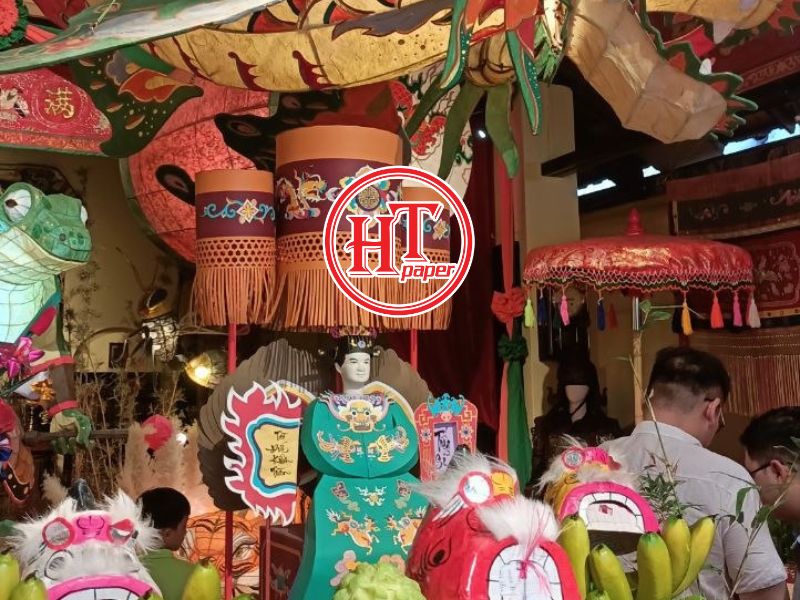
Giữa nhịp sống hối hả và có phần ngột ngạt của Sài Gòn, có những chốn dừng chân dường như tách biệt hoàn toàn với bên ngoài. Bước qua cánh cổng của ngôi đình cổ hơn 160 năm tuổi – Đình Sơn Trà trên đường Nguyễn Phi Khanh (quận 1) – cái nóng và tiếng xe cộ ngơ ngác lùi lại phía sau. Đón lấy chân mình là khoảng sân rợp bóng mát, nơi sự kiện triển lãm nghệ thuật Trung thu mang cái tên ngộ nghĩnh "Cóc Cốc Tùng Tùng" đang diễn ra.