Origami Paper: The Art of Paper Folding and Its Fascinations
Origami paper is an essential material in Japanese paper-folding art, a traditional art form that has existed for hundreds of years. Origami requires not only skill but also serves as a medium to express emotions and convey messages through intricate folds. This article will help you better understand origami paper, from its origins and characteristics to popular types and applications.
1. The Origins of Origami Art
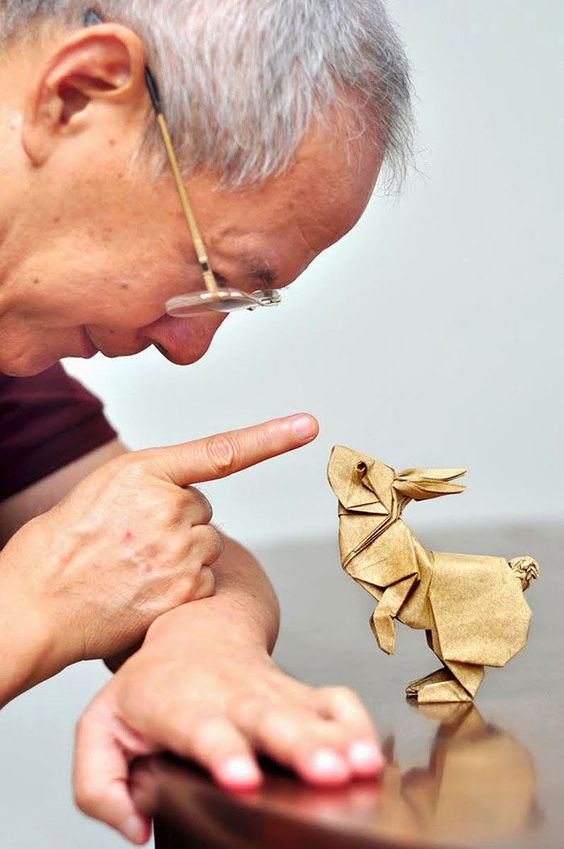
Origami originated in Japan during the 17th century and became a unique cultural art form in the country. Initially, the paper used for origami was washi—a traditional Japanese handmade paper made from mulberry trees. Origami was not only for entertainment but also used in ceremonies and important events.
Today, origami has gained global popularity and extends beyond washi paper to include a variety of paper types, catering to the preferences of art enthusiasts.
2. Features of Origami Paper
Origami paper possesses several notable characteristics that make it suitable for folding complex designs:
- Thin and Easy to Fold: The paper has moderate thinness, making it easy to create folds without tearing, even with multiple layers.
- Diverse Colors and Patterns: Origami paper often comes in a wide range of colors and patterns, enhancing the richness of creations.
- Flexible and Durable: The paper must be flexible enough to endure tight folds without damage.
3. Popular Types of Origami Paper
3.1. Kami Paper
Kami is the standard and most commonly used origami paper. It is thin, lightweight, with one side white and the other colored or patterned. This affordable and easily accessible paper is perfect for beginners.
3.2. Washi Paper
Washi is traditional Japanese paper made from mulberry or bamboo. It is durable, smooth, and highly flexible, making it ideal for detailed and long-lasting artistic works.
3.3. Foil Origami Paper
This paper features a metallic surface, such as silver or gold, adding a glossy and striking finish to creations. It’s often used for sophisticated and impressive designs.
3.4. Custom-Printed Paper
With advances in printing technology, many enthusiasts create personalized origami paper with unique patterns. This paper is perfect for crafting one-of-a-kind designs or when specific patterns are not available commercially.
4. Applications of Origami Paper
4.1. Gift-Making and Decoration
Origami offers a great way to create handmade gifts such as paper cranes, lucky stars, or floral decorations. These items can serve as unique presents or adorn homes and workspaces.
4.2. Education
Origami is used in education to enhance spatial reasoning, focus, and hand dexterity. Many schools incorporate origami into subjects like mathematics, science, and art.
4.3. Art and Psychological Therapy
Folding origami can be relaxing, reducing stress and improving mental well-being. Many people use origami as a meditative practice, fostering peace and relaxation.
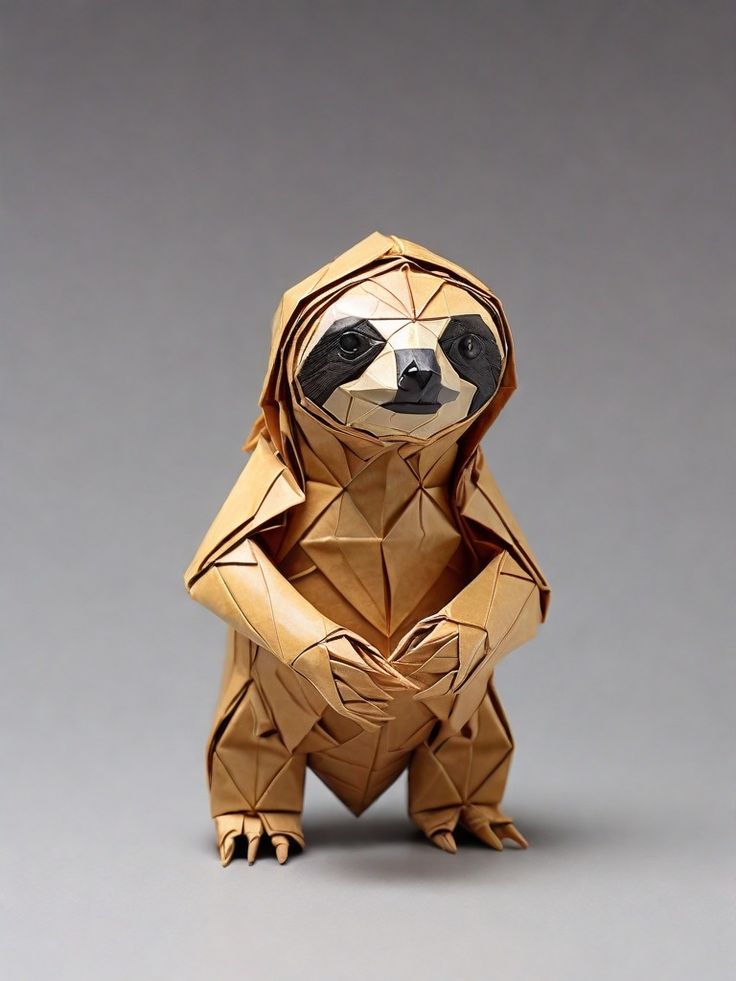
4.4. Industrial Applications
Modern technologies such as robotics and aerospace have adopted origami principles. Origami-inspired designs are used to create compact, foldable products and devices.
5. How to Choose the Right Origami Paper
When selecting origami paper, consider the following factors:
- Type of Fold: For simple folds, use Kami or foil paper. For intricate and durable designs, Washi is recommended.
- Size: Origami paper ranges from 7.5cm x 7.5cm to 30cm x 30cm. Choose a size suitable for the complexity of your design.
- Colors and Patterns: Select patterns and colors that align with your idea. For flowers and leaves, choose natural patterns, while plain colors work well for animal shapes.
6. Popular Origami Designs
6.1. Paper Crane (Tsuru)
The paper crane symbolizes peace and good fortune in Japanese culture. Legend says folding 1,000 cranes grants a wish. This design is a favorite among enthusiasts.
6.2. Lucky Star
Made from long strips of paper, lucky stars are simple yet fun. People often fold hundreds of stars to give as wishes for luck to friends and family.
6.3. Origami Flowers
Paper flowers such as lotuses and roses are popular designs. Created from colorful papers, these flowers bring elegance and serenity.
6.4. Origami Animals
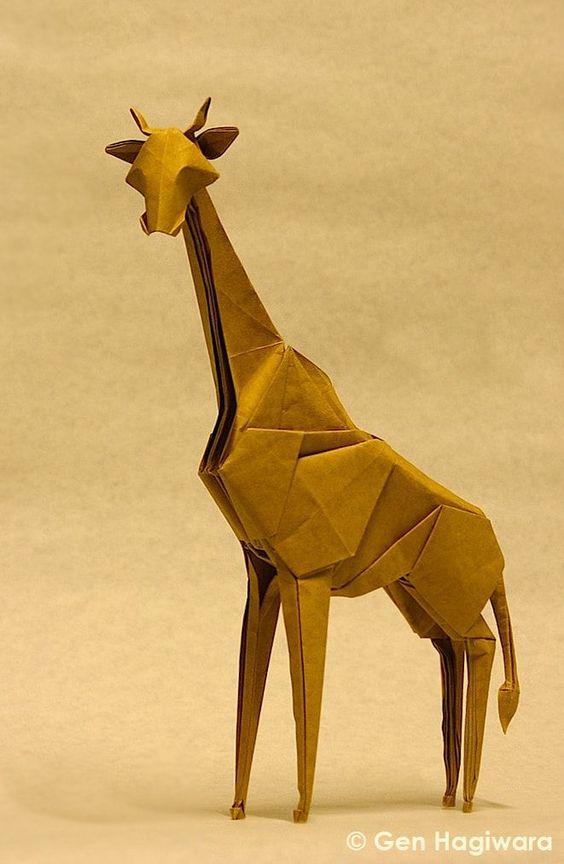
Animals like frogs, butterflies, fish, and rabbits are delightful designs, perfect for children and beginners, sparking joy and creativity.
7. Health and Psychological Benefits of Origami
Origami offers more than entertainment; it also improves mental health:
- Stress Relief: Folding paper fosters focus, reducing stress and promoting relaxation.
- Patience Development: Origami requires attention and persistence, enhancing patience.
- Creative Stimulation: Origami encourages experimentation and imagination, stimulating creativity.
Conclusion
Origami paper is not just a material but a gateway to the endless world of art and creativity. From simple sheets of paper, countless beautiful and meaningful creations come to life. Origami continues to be beloved worldwide for its captivating charm and ability to connect people with culture and spirituality
-----------------------------------------------------
Tham khảo sản phẩm giấy : tại đây
Thời gian làm việc : Thứ 2 - Thứ 7 : 08:00 am - 05:30 pm
-----------------------------------------------------
Hải Tín Paper- Chuyên cung cấp giấy sơ đồ ngành may mặc
Email: haitinco@gmail.com - kinhdoanh@haitinpaper.com
Hotline:
Tiếng Việt : 0798.909.808
CHINESE : 0938.808.998
ENGLISH : 0799.909.808
Giấy dó từ lâu đã gắn liền với lịch sử văn hóa, nghệ thuật và thủ công truyền thống của người Việt. Giữa thời đại số hóa và sự lên ngôi của các loại giấy công nghiệp hiện đại, loại giấy làm từ vỏ cây thủ công này vẫn giữ một vị trí đặc biệt.
Bài viết này sẽ giúp bạn hiểu rõ bản chất giấy dó là gì, quy trình làm ra chúng cũng như giá trị thực tiễn và khả năng ứng dụng của giấy dó trong đời sống hiện đại.

Khi những xu hướng thiết kế hiện đại đang dần bị bão hòa bởi các chất liệu công nghiệp như fomat, mica hay nhựa tổng hợp, sự xuất hiện của triển lãm "Cóc Cốc Tùng Tùng" tại Đình Sơn Trà giống như một khoảng lặng đầy bất ngờ. Trái tim của không gian trưng bày năm nay — cụm tác phẩm "Cóc kiện trời" khổng lồ cùng hệ thống 21 chiếc lồng đèn thủ công — hoàn toàn được dựng lên từ những vật liệu cơ bản nhất: tre, trúc và giấy dó.
Dưới lăng kính của những người làm nghề và nghiên cứu vật liệu, đây không đơn thuần là một sản phẩm trang trí mùa lễ hội, mà là một bài toán kỹ thuật thực thụ về sức chịu lực và cấu trúc tạo hình.
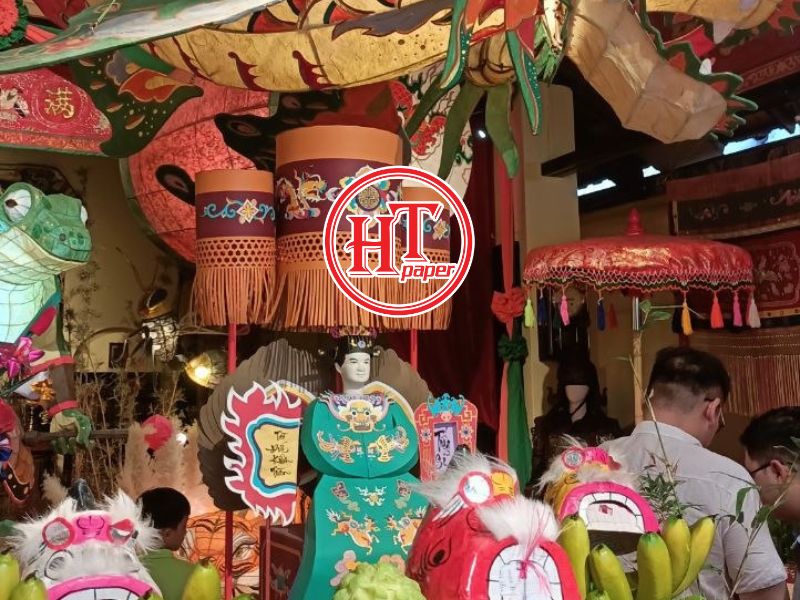
Giữa nhịp sống hối hả và có phần ngột ngạt của Sài Gòn, có những chốn dừng chân dường như tách biệt hoàn toàn với bên ngoài. Bước qua cánh cổng của ngôi đình cổ hơn 160 năm tuổi – Đình Sơn Trà trên đường Nguyễn Phi Khanh (quận 1) – cái nóng và tiếng xe cộ ngơ ngác lùi lại phía sau. Đón lấy chân mình là khoảng sân rợp bóng mát, nơi sự kiện triển lãm nghệ thuật Trung thu mang cái tên ngộ nghĩnh "Cóc Cốc Tùng Tùng" đang diễn ra.