

What Is a Paper Dryer Cylinder?
1. Definition and Role in Paper Production
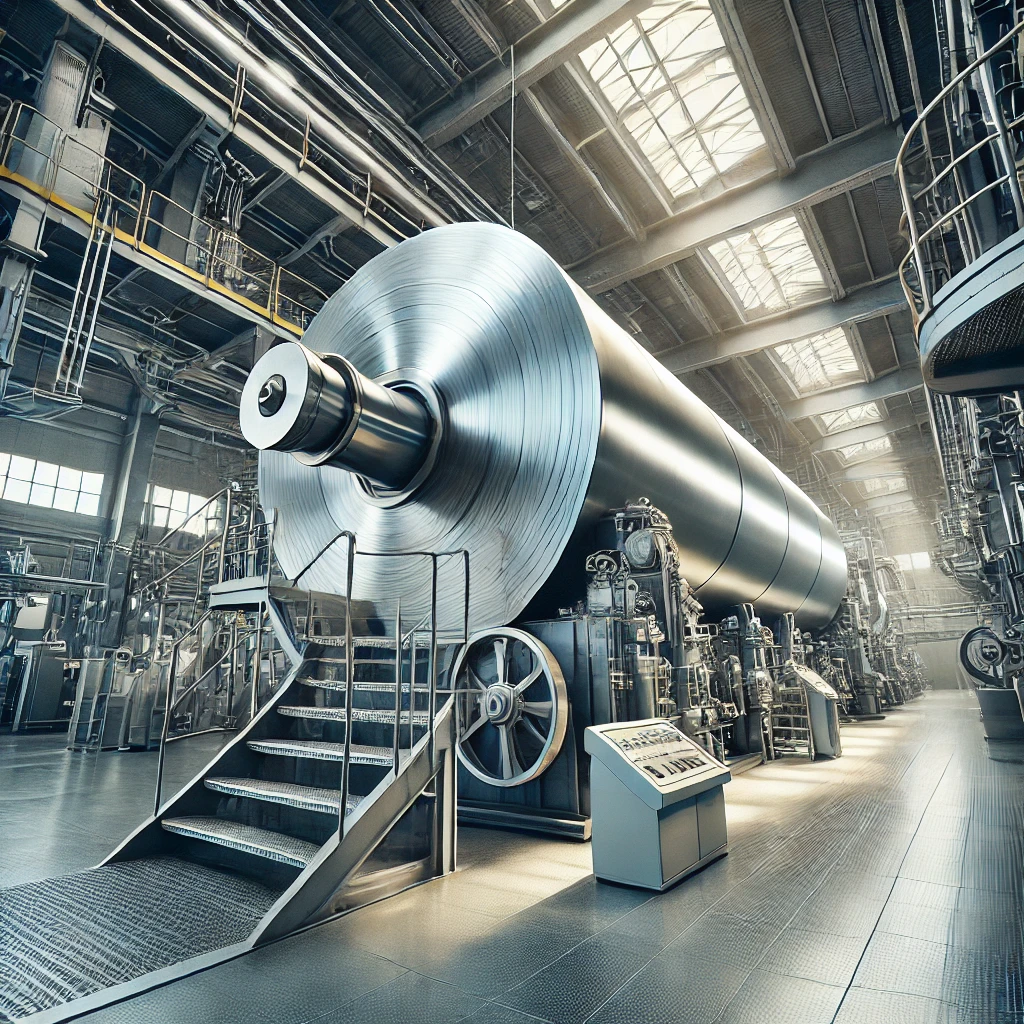
A paper drying cylinder is a crucial component in the paper manufacturing process, responsible for removing moisture from the paper after it has undergone other production stages. This drying process reduces moisture to optimal levels, enhancing the quality and durability of the final product.
Beyond moisture removal, the drying cylinder influences the paper's physical structure, affecting printability, color, and strength. An efficiently operating drying cylinder ensures uniform dryness and preserves the paper's best properties.
2. Operating Principle of the Drying Cylinder
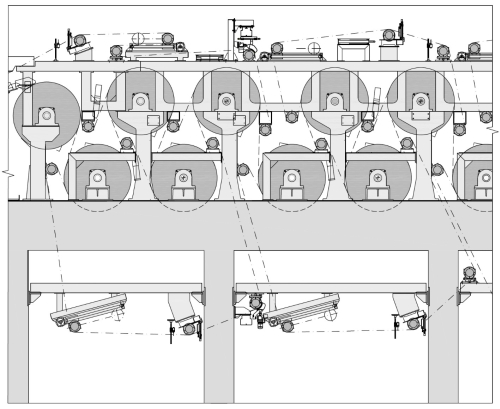
The drying cylinder operates by generating hot air to evaporate moisture from the paper. Hot air is typically directed into the cylinder through duct systems, rapidly increasing the internal temperature.
This process requires coordination of factors such as ambient temperature, airspeed, and pressure. Proper control of these elements enhances the cylinder's efficiency, boosting productivity and product quality.
Temperature and humidity during drying are closely linked to paper quality. Excessive heat can cause burning, discoloration, or deformation, while insufficient heat may leave residual moisture, reducing printability and durability.
Precise control of temperature and humidity is vital to ensure evenly dried paper, maintaining its optimal characteristics. Properly treated paper exhibits higher durability, minimal warping, and sharper colors, providing a better user experience.
3. Modern Technologies in Paper Drying Cylinders
Advancements in drying cylinder technology have introduced innovative solutions like steam and thermal oil heating. These methods improve drying efficiency, conserve energy, and lower production costs
Metal coating technologies for cylinder restoration are also gaining attention, offering robust protective layers that reduce wear and extend cylinder lifespan, thereby minimizing maintenance expenses.
Comparing traditional and modern technologies reveals that newer methods aim to optimize production processes. Traditional cylinders often struggle with moisture and temperature control, leading to subpar products.
In contrast, modern cylinders enhance stability in temperature and humidity, shorten drying times, and enable higher-quality output within shorter periods.
4. Impact on Product Quality
The final paper quality heavily depends on the drying process. Inefficient drying cylinders can lead to significant production issues
If the cylinder doesn't function properly, residual moisture may remain, resulting in damp paper that compromises printability and strength.
Standard-compliant paper should exhibit uniform dryness, high durability, and clear color. Ineffective drying undermines these attributes, leading to customer dissatisfaction.
Factors like temperature, humidity, and drying time significantly influence paper's strength and moisture content. Proper adjustment of these factors enhances product quality.
Efficient drying cylinders produce stronger, less warped, and more water-resistant paper, meeting the increasing market demands.
5. Competitive Strategies in the Paper Industry
In a competitive market, enhancing drying cylinder efficiency is crucial. Effective strategies can strengthen a company's market position.
To optimize production, companies should focus on improving cylinder performance. Modern technology aids in energy conservation and production efficiency.
Companies that reduce production costs while maintaining product quality attract more customers, gaining a significant competitive edge.
Cost savings are pivotal for business success. Investing in modern drying cylinder technology saves time and reduces maintenance expenses.
Lowering product prices through cost-effective production allows companies to capture market share and ensure profitability, key to sustainable growth in the paper industry.
6. Operational Considerations
When operating drying cylinders, companies must prioritize maintenance to prevent unexpected issues.
Regular maintenance extends equipment lifespan. Frequent inspections help detect problems early, enabling timely repairs.
Training staff in operation and maintenance is essential. Knowledgeable personnel ensure efficient cylinder performance and product quality.
Common issues include overheating, dust accumulation, and power outages. Companies should have contingency plans to mitigate production disruptions.
Monitoring and analyzing cylinder performance helps identify anomalies early, optimizing processes and enhancing product quality.
7. Frequently Asked Questions
How does a drying cylinder improve product quality?
It controls moisture and temperature, eliminating excess humidity, enhancing paper quality, and meeting high standards. Modern technology offers better control, resulting in durable, less deformed paper, providing a superior consumer experience.
What criteria should companies consider when selecting a suitable drying cylinder?
Consider production scale, product type, and budget. Review technical specifications to make informed choices. Consulting experts or experienced companies is also beneficial.
8. Future of the Paper Industry
Looking ahead, the paper industry faces challenges, notably balancing high consumption demands with environmental impacts.
The industry increasingly emphasizes sustainable development. Research and development of eco-friendly drying solutions are becoming mainstream, with companies like Ranco and Viet Hung Tech actively exploring energy-saving and waste-reducing technologies
Modern drying technologies are shifting towards renewable energy sources and intelligent management systems to optimize production. These trends not only meet market needs but also contribute to environmental protection.
Innovations in drying technology present new opportunities for the paper industry, enabling higher-quality and more environmentally friendly products.
9. Conclusion
The paper drying cylinder is not just a technical component but a symbol of innovation in a transforming industry. Understanding and applying modern drying cylinder technology helps companies improve product quality, reduce costs, and enhance market competitiveness. Despite significant challenges, advancements in drying cylinder technology offer hope for a more sustainable future in the paper industry.
Trong thời đại công nghệ số hiện nay, khó mà có thể nói rằng, sẽ có một vật liệu mới thay thế cho giấy. Nhưng để tạo ra được một tờ giấy trắng từ những thân gỗ thô cứng là cả một quy trình kỹ thuật phức tạp đòi hỏi sự chuẩn xác tuyệt đối. Bài viết này sẽ giải mã quy trình sản xuất giấy hiện đại qua 6 bước cốt lõi.
.jpg)
Trong kỹ thuật may công nghiệp, việc chọn đúng loại giấy sơ đồ (Marker Paper) là yếu tố then chốt để đảm bảo độ chính xác của mẫu rập và tuổi thọ của máy vẽ sơ đồ (Plotter). Dù trên thị trường có nhiều loại, nhưng hai dòng giấy sơ đồ trắng và vàng vẫn luôn khiến các nhà quản lý thu mua phải cân nhắc. Bài viết này sẽ giúp bạn phân loại và lựa chọn đúng dựa trên nhu cầu thực tế tại xưởng.
/giay-duc-lo-nganh-may.jpg)