Untrimmed Finished Paper: Applications, Features, and Benefits
Untrimmed finished paper, also known as untrimmed or uncut paper, refers to paper products that have not been cut or finished to specific sizes after production. This type of paper is favored in the paper industry and various applications due to its flexibility and high customizability.
1. What Is Untrimmed Finished Paper?
Untrimmed finished paper retains its large size or roll form after production, without being trimmed to standard sizes or specific shapes. The term "untrimmed" indicates that the paper edges remain intact, having not undergone processing or neat cutting. This paper can be flexibly used in many fields such as printing, packaging, garment manufacturing, and other industries.
2. Characteristics of Untrimmed Finished Paper
Large or Diverse Sizes: Since it hasn't been trimmed, the paper maintains its large size from production, allowing users to customize as needed.
High Thickness and Durability: Typically produced from materials with good strength, ensuring resistance to pulling and pressing during use.
No Cut Edges: The absence of trimmed edges makes this paper suitable for applications requiring specific sizes, reducing waste from cutting excess parts.
3. Advantages of Untrimmed Finished Paper
Optimized Production Costs: Without undergoing processing or edge trimming, this paper often costs less than trimmed products.
Minimized Material Waste: Users can freely cut the paper to desired sizes, avoiding the need to purchase fixed-size paper that may not fully suit their needs.
Versatile Applications: From garment manufacturing and printing to packaging, untrimmed finished paper can be used across various fields, meeting diverse business needs.
/cuon-giay-chua-te-bien.jpg)
4. Industrial Applications of Untrimmed Finished Paper
Printing and Publishing Industry: Used as raw material for printing books, magazines, or large documents. The large paper size facilitates adjustments for printing different book sizes without concerns about waste.
Packaging and Wrapping Industry: Easily cut and folded into various paper boxes, bags, or product wrapping. Especially favored by businesses producing custom packaging, as it optimizes design and product size without worrying about fixed dimensions.
Garment and Fashion Industry: Used for drawing cutting diagrams, making patterns, and supporting fabric cutting processes. Its thick and durable nature aids designers in sketching and cutting patterns without fear of tearing.
Handicrafts Industry: Applied in making paper paintings, paper flowers, or decorative products. The diverse sizes and thicknesses allow artisans to create creative and unique products easily.
5. Guide to Choosing Suitable Untrimmed Finished Paper
Thickness and Material: Depending on the intended use, select paper with appropriate thickness and material. Thick and durable paper is more suitable for applications requiring strength.
Required Size: Ensure the untrimmed paper size is larger than production requirements to facilitate cutting without shortages.
Surface Quality: Smooth-surfaced paper is suitable for printing, while rougher types can be used in other stages of garment manufacturing or packaging.
6. Preservation of Untrimmed Finished Paper
Store in Dry Places: Paper is susceptible to moisture, leading to reduced durability and mold. Ensure storage in dry areas and avoid water exposure.
Avoid Direct Sunlight: Sunlight can cause paper to fade and reduce strength. Store paper in enclosed warehouses or wrap it carefully to prevent light exposure.
Organize Sequentially: For papers with varying thicknesses, arrange them in order for easy management and retrieval when needed.
7. Conclusion
Untrimmed finished paper is an effective solution for businesses requiring flexibility in product size and shape. With numerous outstanding benefits in cost, durability, and applicability, this paper type is increasingly favored across various industries. Understanding its characteristics, applications, and how to choose suitable untrimmed paper will help businesses maximize resource utilization and optimize production processes.
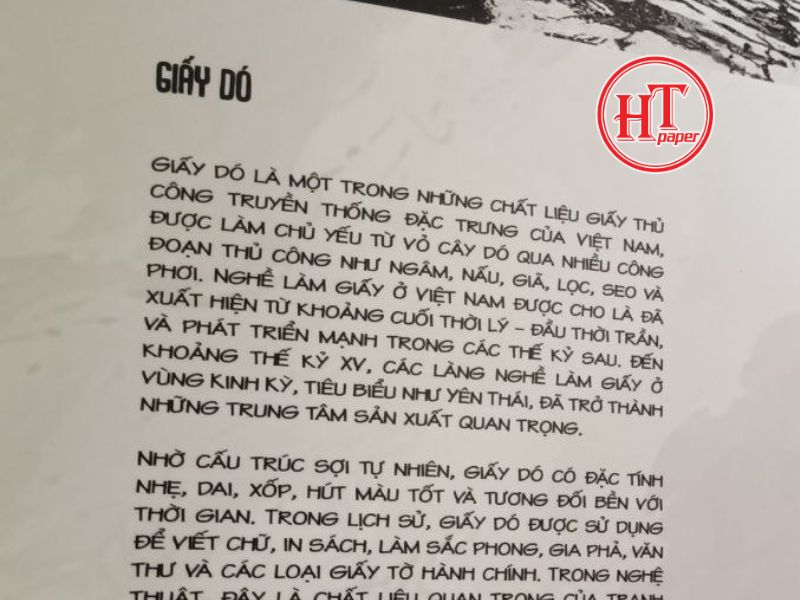
Giấy dó từ lâu đã gắn liền với lịch sử văn hóa, nghệ thuật và thủ công truyền thống của người Việt. Giữa thời đại số hóa và sự lên ngôi của các loại giấy công nghiệp hiện đại, loại giấy làm từ vỏ cây thủ công này vẫn giữ một vị trí đặc biệt.
Bài viết này sẽ giúp bạn hiểu rõ bản chất giấy dó là gì, quy trình làm ra chúng cũng như giá trị thực tiễn và khả năng ứng dụng của giấy dó trong đời sống hiện đại.

Khi những xu hướng thiết kế hiện đại đang dần bị bão hòa bởi các chất liệu công nghiệp như fomat, mica hay nhựa tổng hợp, sự xuất hiện của triển lãm "Cóc Cốc Tùng Tùng" tại Đình Sơn Trà giống như một khoảng lặng đầy bất ngờ. Trái tim của không gian trưng bày năm nay — cụm tác phẩm "Cóc kiện trời" khổng lồ cùng hệ thống 21 chiếc lồng đèn thủ công — hoàn toàn được dựng lên từ những vật liệu cơ bản nhất: tre, trúc và giấy dó.
Dưới lăng kính của những người làm nghề và nghiên cứu vật liệu, đây không đơn thuần là một sản phẩm trang trí mùa lễ hội, mà là một bài toán kỹ thuật thực thụ về sức chịu lực và cấu trúc tạo hình.
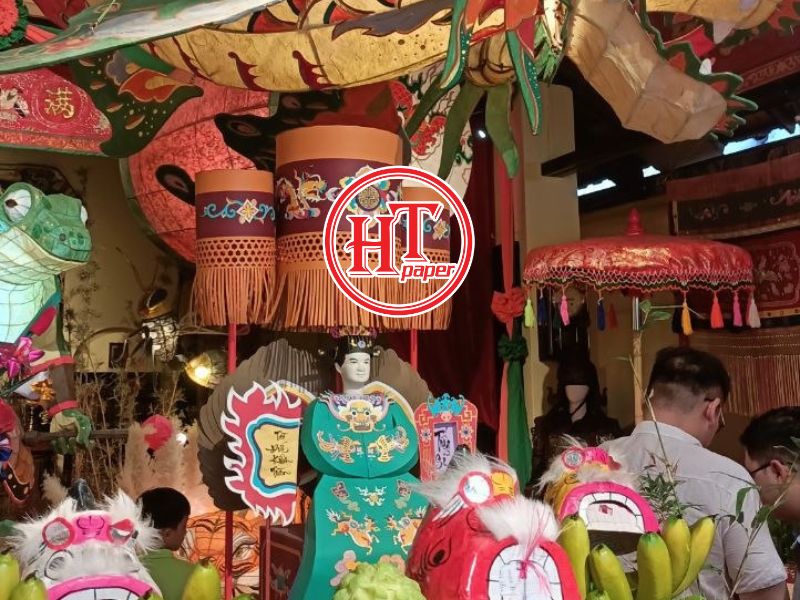
Giữa nhịp sống hối hả và có phần ngột ngạt của Sài Gòn, có những chốn dừng chân dường như tách biệt hoàn toàn với bên ngoài. Bước qua cánh cổng của ngôi đình cổ hơn 160 năm tuổi – Đình Sơn Trà trên đường Nguyễn Phi Khanh (quận 1) – cái nóng và tiếng xe cộ ngơ ngác lùi lại phía sau. Đón lấy chân mình là khoảng sân rợp bóng mát, nơi sự kiện triển lãm nghệ thuật Trung thu mang cái tên ngộ nghĩnh "Cóc Cốc Tùng Tùng" đang diễn ra.