
Fruit Wrapping Paper – An Effective Food Preservation Solution
Fruit wrapping paper is one of the most effective preservation solutions that helps agricultural products stay fresh for a longer period. It not only protects the fruit's surface from external impacts but also limits the intrusion of bacteria and mold, ensuring the best quality when reaching consumers.
1. Introduction to Fruit Wrapping Paper
In modern agriculture, fruit wrapping paper plays an essential role in preserving produce, maintaining quality, preventing spoilage, and boosting marketability. With the rise of biological preservation methods, using wrapping paper has become a preferred choice for many businesses and farmers.
2. Benefits of Fruit Wrapping Paper
2.1. Surface Protection
After harvest, fruits are easily scratched or bruised during transportation. Wrapping paper minimizes this risk and maintains the fruit's natural shape, enhancing its appeal.
2.2. Prevents Insects and Bacteria
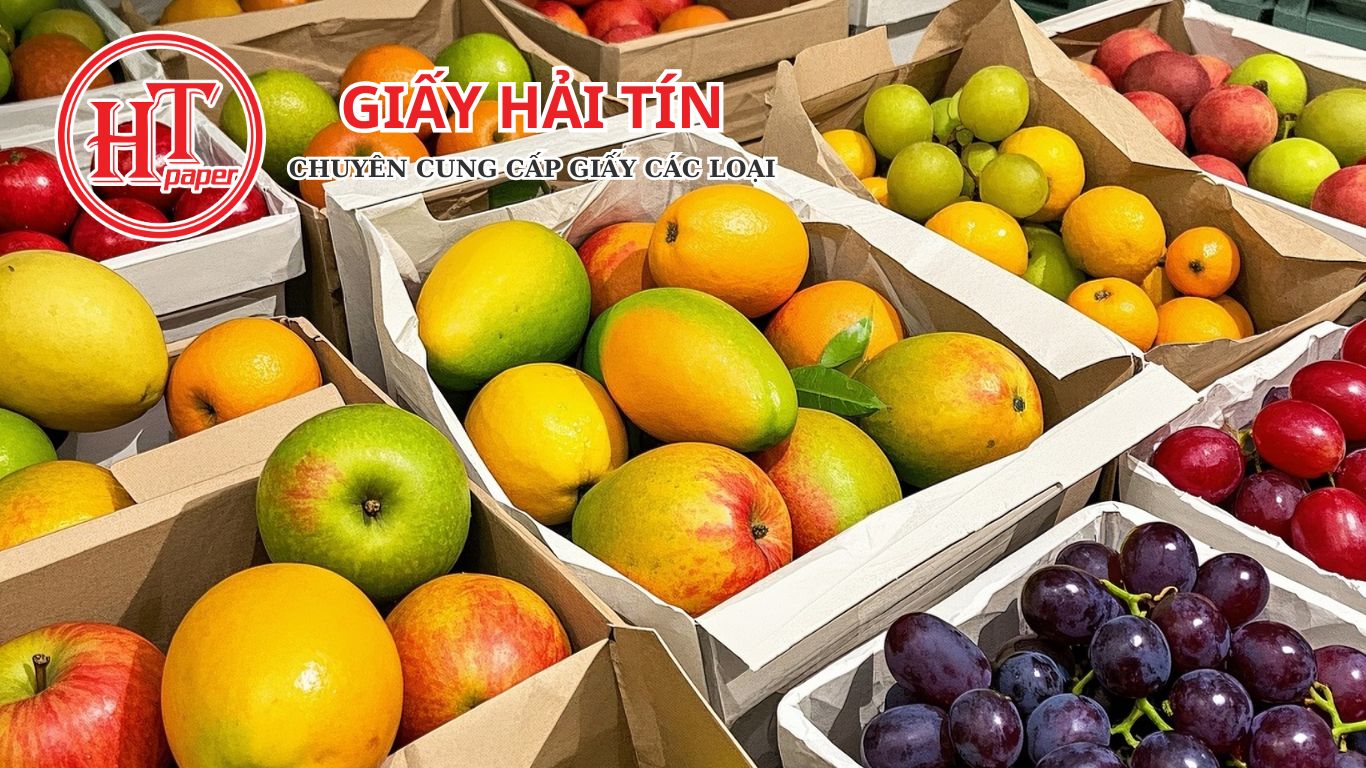
Certain types of wrapping paper are antibacterial, helping to reduce the risk of microbial contamination and prolonging the fruit's shelf life. This is especially crucial for delicate fruits like mangoes, grapes, and apples.
2.3. Moisture Control
Some paper types have excellent moisture absorption, preventing mold growth or dehydration during storage and transport. This keeps fruits fresh and vibrant.
2.4. Prolongs Fruit Quality
Wrapping helps retain freshness and reduces ethylene gas, delaying ripening. This extends preservation time and reduces post-harvest loss—especially important for export.
.jpg)
3. Common Types of Fruit Wrapping Paper
3.1. Kraft Paper
Strong and absorbent, kraft paper is ideal for long-distance transport. It’s eco-friendly, recyclable, and biodegradable.
3.2. Pelure Paper
Lightweight and soft, it’s used for delicate fruits like peaches or strawberries. It prevents scratches on fruit skin.
3.3. Wax Paper
Water-resistant and moisture-retaining, this paper suits fruits like oranges, lemons, and apples.
3.4. Antibacterial Paper
Coated with antibacterial layers to prevent mold and bacteria, ensuring food hygiene.
4. How to Choose the Right Fruit Wrapping Paper
Choose durable, eco-friendly paper: Prefer recyclable and biodegradable types.
Ensure food safety: Paper must be free of harmful chemicals and safe for direct contact.
Match paper type to fruit characteristics: Use pelure for soft-skinned fruits, antibacterial paper for export.
5. Market Trends
The trend is shifting towards eco-friendly paper made from natural fibers and fully biodegradable to reduce plastic waste. Papers with natural antibacterial agents like tea tree oil and mint are also gaining popularity.
6. Conclusion
Using fruit wrapping paper enhances product quality, extends storage life, and optimizes transportation. For agricultural businesses, it's a key factor in boosting product value and market competitiveness. The right wrapping choice not only protects the fruit but also meets export standards and promotes sustainable agriculture.
--------------------------------------------------------
Hải Tín Paper – Specializing in Marker Papers for Garment Industry
? Email: haitinco@gmail.com – kinhdoanh@haitinpaper.com
? Hotline:-
Vietnamese: 0798.909.808
Chinese: 0938.808.998
English: 0799.909.808
Giấy dó từ lâu đã gắn liền với lịch sử văn hóa, nghệ thuật và thủ công truyền thống của người Việt. Giữa thời đại số hóa và sự lên ngôi của các loại giấy công nghiệp hiện đại, loại giấy làm từ vỏ cây thủ công này vẫn giữ một vị trí đặc biệt.
Bài viết này sẽ giúp bạn hiểu rõ bản chất giấy dó là gì, quy trình làm ra chúng cũng như giá trị thực tiễn và khả năng ứng dụng của giấy dó trong đời sống hiện đại.

Khi những xu hướng thiết kế hiện đại đang dần bị bão hòa bởi các chất liệu công nghiệp như fomat, mica hay nhựa tổng hợp, sự xuất hiện của triển lãm "Cóc Cốc Tùng Tùng" tại Đình Sơn Trà giống như một khoảng lặng đầy bất ngờ. Trái tim của không gian trưng bày năm nay — cụm tác phẩm "Cóc kiện trời" khổng lồ cùng hệ thống 21 chiếc lồng đèn thủ công — hoàn toàn được dựng lên từ những vật liệu cơ bản nhất: tre, trúc và giấy dó.
Dưới lăng kính của những người làm nghề và nghiên cứu vật liệu, đây không đơn thuần là một sản phẩm trang trí mùa lễ hội, mà là một bài toán kỹ thuật thực thụ về sức chịu lực và cấu trúc tạo hình.
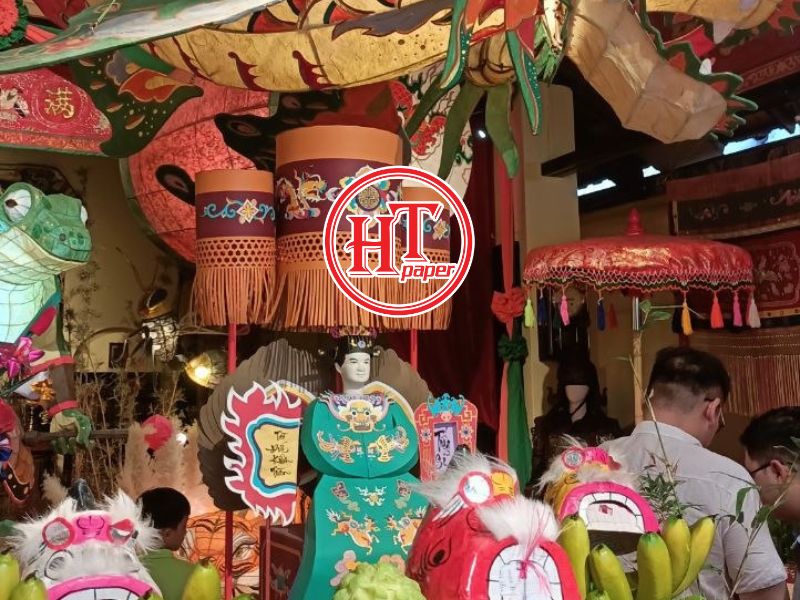
Giữa nhịp sống hối hả và có phần ngột ngạt của Sài Gòn, có những chốn dừng chân dường như tách biệt hoàn toàn với bên ngoài. Bước qua cánh cổng của ngôi đình cổ hơn 160 năm tuổi – Đình Sơn Trà trên đường Nguyễn Phi Khanh (quận 1) – cái nóng và tiếng xe cộ ngơ ngác lùi lại phía sau. Đón lấy chân mình là khoảng sân rợp bóng mát, nơi sự kiện triển lãm nghệ thuật Trung thu mang cái tên ngộ nghĩnh "Cóc Cốc Tùng Tùng" đang diễn ra.