the Nghinh Ông Festival – A Traditional Celebration of the Chinese Community in Ho Chi Minh City
The Nghinh Ông Festival has long been a vibrant cultural event for the Chinese community in Ho Chi Minh City. More than a spiritual tribute, it is a gathering that fosters connection and preserves cultural and historical values across generations. In 2025, the festival took place on the morning of February 9 (the 12th day of the first lunar month), drawing nearly 1,000 participants in a colorful and lively celebration of traditional culture.
Hải Tín’s Cultural Journey
The Hải Tín Marketing team joined the procession on Trần Hưng Đạo Street in District 5, embracing the festive spirit. At Hải Tín, we believe that culture and business go hand in hand—this has shaped our corporate identity for nearly two decades.
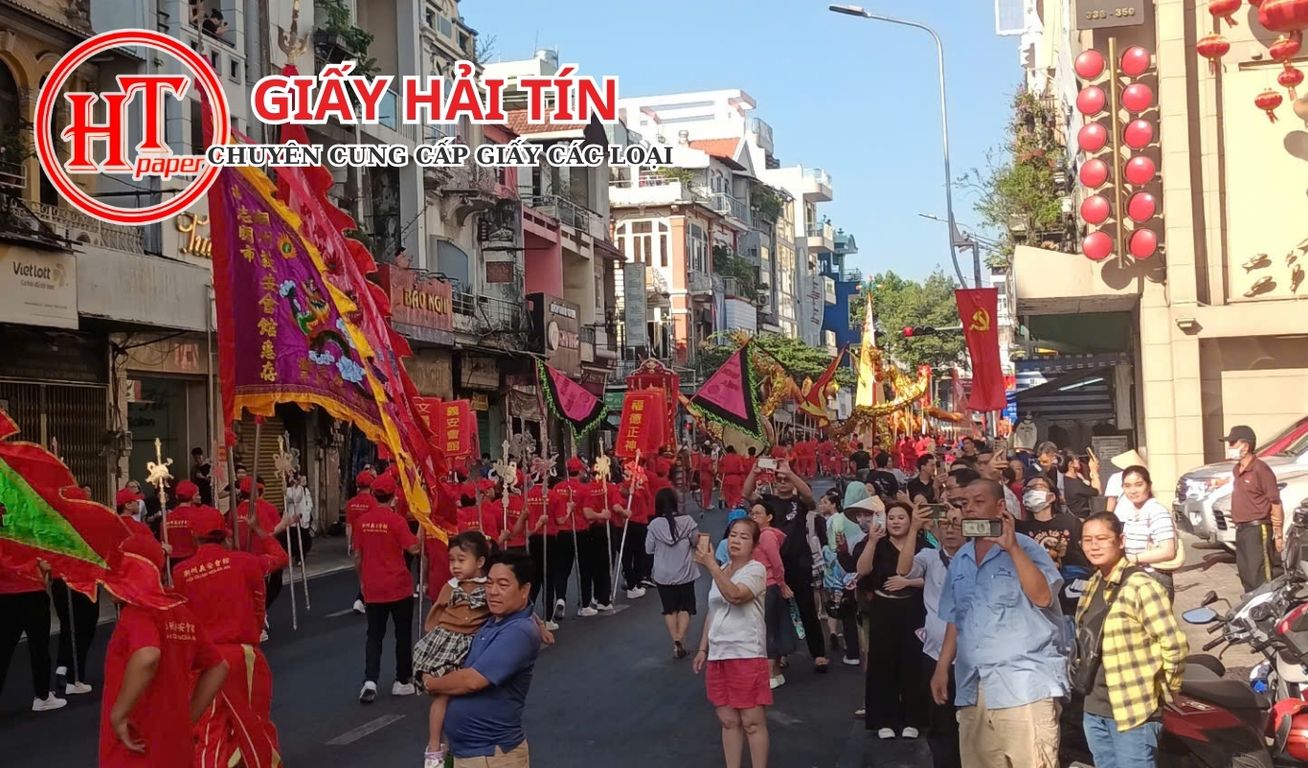
This year’s festival was held in Chợ Lớn, a historic and cultural hub for the Chinese-Vietnamese community. The parade began at Nghĩa An Assembly Hall, a sacred place honoring Lord Guan (Guan Yu)—a symbol of loyalty and heroism. The statue of Guan Yu was carried over a 4-kilometer journey, passing streets named after heroes such as Lao Tzu, Trần Hưng Đạo, Phùng Hưng, Hải Thượng Lãn Ông, Đỗ Ngọc Thạch, Nguyễn Trãi, Châu Văn Liêm, and Lương Nhữ Học, creating a heartfelt and memorable route.
A Vibrant Cultural Parade
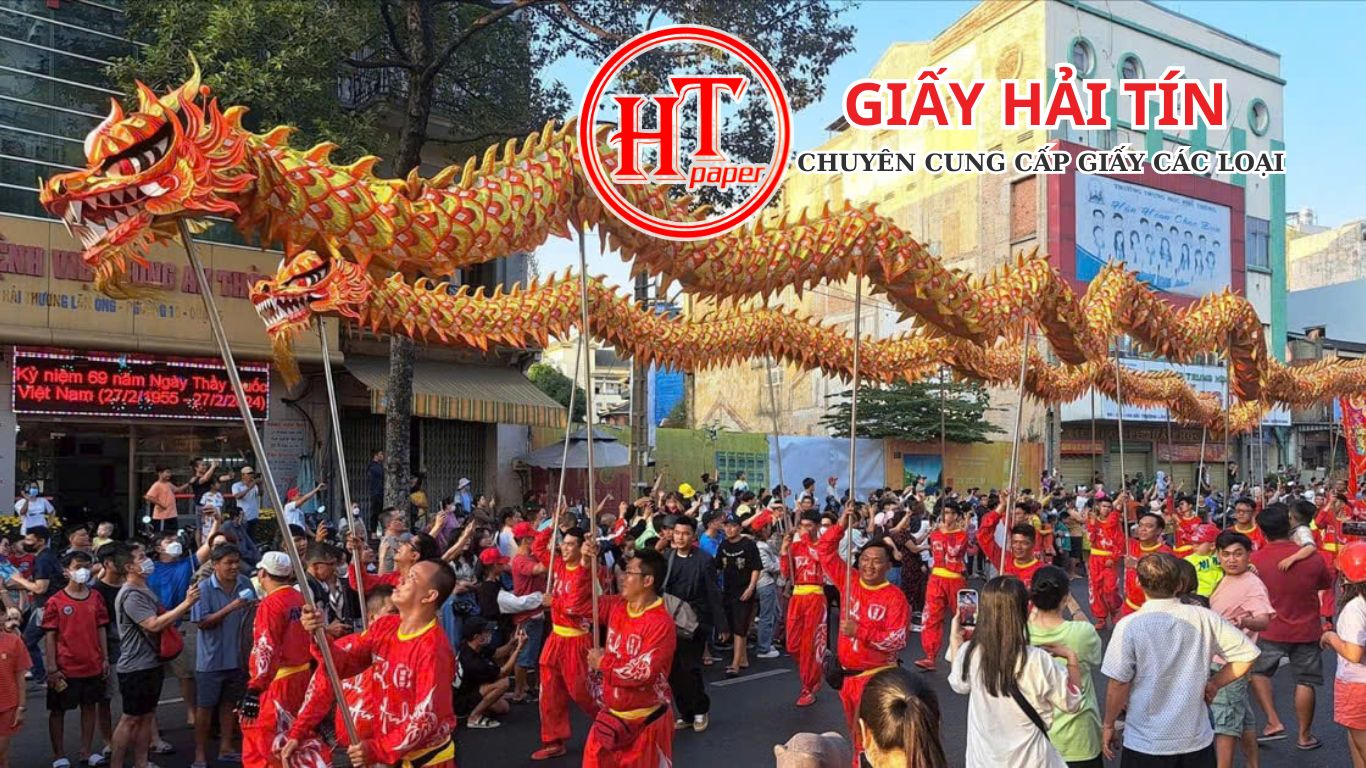
The procession was not only a spiritual event but also a rich artistic performance. Participants dressed as symbolic characters—fairies, the God of Wealth, soldiers, and even the legendary Red Hare horse. The costumes, dances, and synchronized movements brought the streets to life, showcasing youthful energy and community pride.
One of the festival’s highlights was the dragon and lion dances. A 70-meter-long dragon, operated by 35 performers, captivated both locals and tourists. The parade paused at intersections, residential areas, temples, and assembly halls for vibrant dance performances.
Cultural Significance and Spiritual Meaning
More than just a cultural event, the Nghinh Ông Festival carries deep spiritual meaning. It honors Guan Yu as a model of loyalty and inspiration for overcoming hardship. The festival also represents wishes for favorable weather, peace, and prosperity in the new year.
It serves as a bridge between generations, helping young people understand and embrace their cultural roots. According to Mr. Trần Em, head of the Nghĩa An Assembly Hall, the Guan Yu ceremony has existed for centuries and has grown into a large street parade since 2023.
Impact on Spirit and Tourism
Beyond its spiritual value, the festival enriches the cultural life of Ho Chi Minh City residents. The enthusiastic participation of locals and tourists has turned it into a significant highlight. The vibrant atmosphere and colorful performances lit up the Chợ Lớn district.
Blending tradition with modernity, the festival created a unique cultural exchange, offering new and intimate experiences of Chinese heritage. It also provided an opportunity for businesses and organizations to showcase culture and promote tourism in the city.
Conclusion
The Nghinh Ông Festival is not only a tribute to tradition but also a symbol of pride for the Chinese community in Ho Chi Minh City. Through every step of the parade and every performance, cultural values are revived, reminding us of our roots, perseverance, and ancestral loyalty. With the participation of nearly 1,000 people and countless captivating performances, this year’s event was a resounding success, reaffirming the place of Chinese culture in the spiritual life of the city.
Giấy dó từ lâu đã gắn liền với lịch sử văn hóa, nghệ thuật và thủ công truyền thống của người Việt. Giữa thời đại số hóa và sự lên ngôi của các loại giấy công nghiệp hiện đại, loại giấy làm từ vỏ cây thủ công này vẫn giữ một vị trí đặc biệt.
Bài viết này sẽ giúp bạn hiểu rõ bản chất giấy dó là gì, quy trình làm ra chúng cũng như giá trị thực tiễn và khả năng ứng dụng của giấy dó trong đời sống hiện đại.

Khi những xu hướng thiết kế hiện đại đang dần bị bão hòa bởi các chất liệu công nghiệp như fomat, mica hay nhựa tổng hợp, sự xuất hiện của triển lãm "Cóc Cốc Tùng Tùng" tại Đình Sơn Trà giống như một khoảng lặng đầy bất ngờ. Trái tim của không gian trưng bày năm nay — cụm tác phẩm "Cóc kiện trời" khổng lồ cùng hệ thống 21 chiếc lồng đèn thủ công — hoàn toàn được dựng lên từ những vật liệu cơ bản nhất: tre, trúc và giấy dó.
Dưới lăng kính của những người làm nghề và nghiên cứu vật liệu, đây không đơn thuần là một sản phẩm trang trí mùa lễ hội, mà là một bài toán kỹ thuật thực thụ về sức chịu lực và cấu trúc tạo hình.
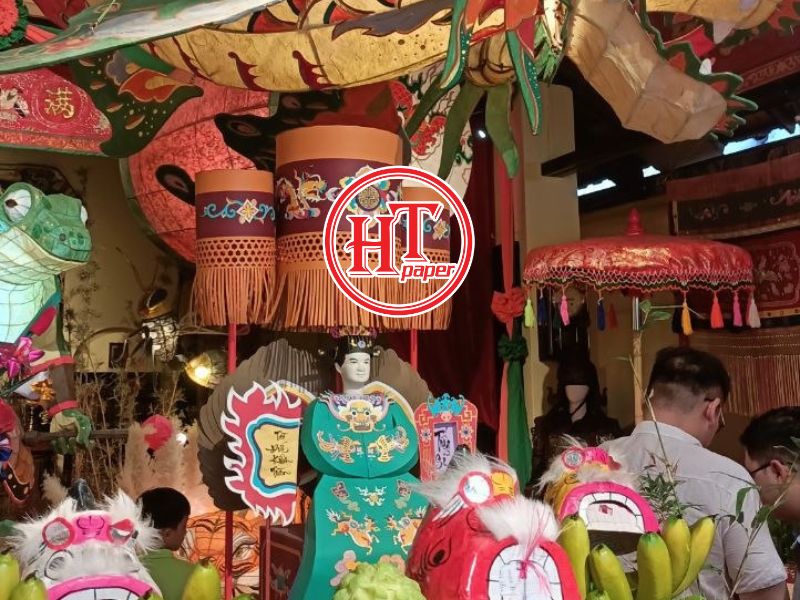
Giữa nhịp sống hối hả và có phần ngột ngạt của Sài Gòn, có những chốn dừng chân dường như tách biệt hoàn toàn với bên ngoài. Bước qua cánh cổng của ngôi đình cổ hơn 160 năm tuổi – Đình Sơn Trà trên đường Nguyễn Phi Khanh (quận 1) – cái nóng và tiếng xe cộ ngơ ngác lùi lại phía sau. Đón lấy chân mình là khoảng sân rợp bóng mát, nơi sự kiện triển lãm nghệ thuật Trung thu mang cái tên ngộ nghĩnh "Cóc Cốc Tùng Tùng" đang diễn ra.