Pelure Paper – Common Names and Applications
Are you looking for a packaging material that is lightweight, sophisticated, and versatile? Pelure paper is the ideal choice for businesses aiming to enhance product experience, save shipping costs, and maintain a professional brand image. This article will help you understand what pelure paper is, its various names, key features, and practical applications across the packaging, manufacturing, fashion, and food industries.
What is Pelure Paper?
Pelure paper is a specialized type of paper characterized by its thin, lightweight, and semi-transparent properties with a smooth surface, typically ranging from 17–30 gsm. The name "pelure" originates from the French word for "peel" or "skin," perfectly describing its delicate nature. Despite its thinness, pelure paper possesses significant mechanical durability, resisting tears when folded or rolled, making it widely used in various sectors.
Other Common Names for Pelure Paper
In practice, pelure paper is known by several names depending on the industry and region:
- Silk Tissue Paper: A common term in the craft and printing industries.
- Onion Skin Paper: Named after its resemblance to onion layers—thin, light, and translucent.
- Tissue Wrapping Paper: Frequently used in the gift and fashion packaging sectors.
- Moisture-proof Thin Paper: A name emphasizing its mild moisture-resistant properties.
- Semi-transparent Wrapping Paper: Used in industries requiring aesthetic product presentation.
Outstanding Features of Pelure Paper
- Impressive Thinness: With a weight of only 17–30 gsm, it does not add significant weight to shipments—ideal for long-distance logistics.
- Semi-transparency: Its subtle translucency creates a "peek-a-boo" effect, perfect for sophisticated and high-end brands.
- Moisture Resistance & Breathability: Pelure paper can absorb mild moisture, protecting products like shoes, clothes, and food from mold or condensation.
- Biodegradable & Eco-friendly: Made from virgin wood pulp and plastic-free, it is easily recyclable and biodegradable, aligning with green consumer trends.
- Highly Customizable: It can be printed with logos, patterns, or dyed to match brand identity, serving as a subtle marketing tool.
Practical Applications
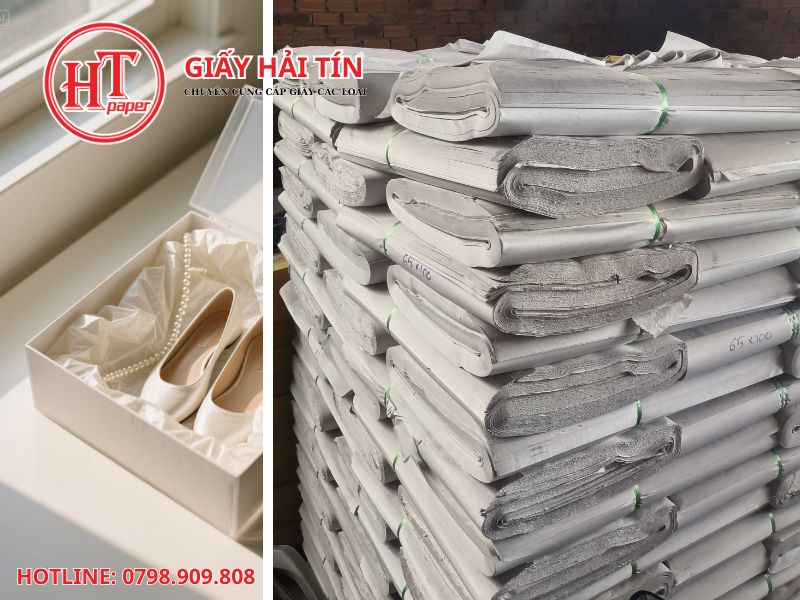
- Fashion Industry: High-end clothing and footwear brands (like those in Binh Duong or Song Than IP) use pelure paper to line products or gift boxes to prevent dust and enhance the "unboxing" experience.
- Gift Wrapping & Handmade Cards: Its softness and easy-to-fold nature make it perfect for premium gift aesthetics.
- Food Industry: Used for wrapping bread, fruits, or chocolates due to its non-toxic and moisture-resistant qualities.
- Industrial & Logistics: Used as interlining between materials (such as pallet liners or PE film rolls) to reduce scratches and protect surfaces.
- Art Printing & Philately: High smoothness allows for sharp ink retention, making it suitable for line-art prints or postage stamp backgrounds.
Why Choose Hai Tin Pelure Paper?
At Hai Tin, we provide high-quality pelure paper with various weights and specifications.
- Stable Supply & Competitive Pricing: Consistent supply for large-scale manufacturing and export.
- Uniform Quality: Durable, smooth, and free from dark spots or dust.
- Expert Consultation & Fast Delivery: Warehouses in HCMC, Binh Duong, and Long An ensure delivery within 24 hours.
- Custom Orders: Size customization and logo printing to elevate your brand professionally.
Conclusion: Pelure paper is more than just packaging; it is a part of the brand experience. Contact Hai Tin today for a quote and samples!
Giấy dó từ lâu đã gắn liền với lịch sử văn hóa, nghệ thuật và thủ công truyền thống của người Việt. Giữa thời đại số hóa và sự lên ngôi của các loại giấy công nghiệp hiện đại, loại giấy làm từ vỏ cây thủ công này vẫn giữ một vị trí đặc biệt.
Bài viết này sẽ giúp bạn hiểu rõ bản chất giấy dó là gì, quy trình làm ra chúng cũng như giá trị thực tiễn và khả năng ứng dụng của giấy dó trong đời sống hiện đại.

Khi những xu hướng thiết kế hiện đại đang dần bị bão hòa bởi các chất liệu công nghiệp như fomat, mica hay nhựa tổng hợp, sự xuất hiện của triển lãm "Cóc Cốc Tùng Tùng" tại Đình Sơn Trà giống như một khoảng lặng đầy bất ngờ. Trái tim của không gian trưng bày năm nay — cụm tác phẩm "Cóc kiện trời" khổng lồ cùng hệ thống 21 chiếc lồng đèn thủ công — hoàn toàn được dựng lên từ những vật liệu cơ bản nhất: tre, trúc và giấy dó.
Dưới lăng kính của những người làm nghề và nghiên cứu vật liệu, đây không đơn thuần là một sản phẩm trang trí mùa lễ hội, mà là một bài toán kỹ thuật thực thụ về sức chịu lực và cấu trúc tạo hình.
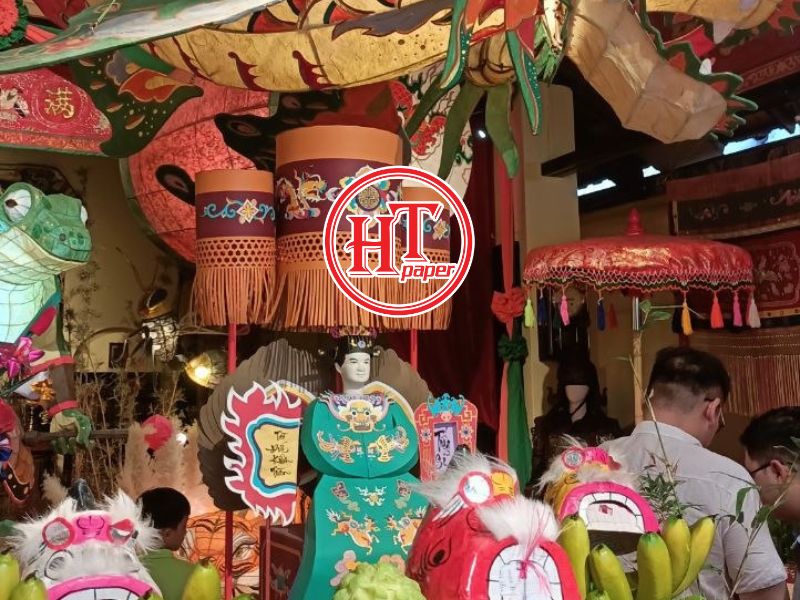
Giữa nhịp sống hối hả và có phần ngột ngạt của Sài Gòn, có những chốn dừng chân dường như tách biệt hoàn toàn với bên ngoài. Bước qua cánh cổng của ngôi đình cổ hơn 160 năm tuổi – Đình Sơn Trà trên đường Nguyễn Phi Khanh (quận 1) – cái nóng và tiếng xe cộ ngơ ngác lùi lại phía sau. Đón lấy chân mình là khoảng sân rợp bóng mát, nơi sự kiện triển lãm nghệ thuật Trung thu mang cái tên ngộ nghĩnh "Cóc Cốc Tùng Tùng" đang diễn ra.