Recycled Paper
“Recycled paper is no longer just a trend—it is a cornerstone of sustainable branding (ESG). Whether it’s heavy-duty corrugated boxes or specialized interlining paper for the footwear industry, recycled materials deliver exceptional value for both the economy and the environment. Join us as we break down everything you need to know about recycled pulp and how leveraging this eco-friendly solution can elevate your brand’s prestige in the global marketplace.”
“Recycled paper is no longer just a trend—it is a cornerstone of sustainable branding (ESG). Whether it’s heavy-duty corrugated boxes or specialized interlining paper for the footwear industry, recycled materials deliver exceptional value for both the economy and the environment. Join us as we break down everything you need to know about recycled pulp and how leveraging this eco-friendly solution can elevate your brand’s prestige in the global marketplace.”
1. Definition and Benefits of Recycled Paper
- Definition: Recycled paper is a product manufactured by collecting waste paper—such as old books, newspapers, and corrugated cardboard—then shredding, de-inking, and processing the pulp into new sheets.
- Environmental Benefits:
- Saving Timber: Reduces the need for deforestation and virgin wood harvesting.
- Conserving Water and Energy: Production consumes approximately 60% less water and 40% less energy compared to virgin paper.
- Waste Reduction: Minimizes the volume of paper sent to landfills, thereby reducing methane gas emissions.
2. The Paper Recycling Process
The fundamental steps in manufacturing recycled paper include:
- Collection & Sorting: Newspapers, office paper, and cardboard are collected and categorized by quality and color.
- Shredding & Contaminant Removal: Paper is shredded, soaked in water, and treated with chemicals to remove ink and impurities.
- Pulping & De-inking: The material is processed in a hydrapulper to separate ink and plastic residues.
- Mixing Recycled Pulp: The refined pulp is filtered and mixed with water; virgin pulp may be added to enhance whiteness or tensile strength.
- Screening, Pressing & Drying: The pulp slurry is spread onto a mesh screen, pressed to remove water, dried, and then undergoes calendering for a smooth finish.
3. What is Recycled Pulp?
Recycled pulp is the end product of de-inking and grinding waste paper. Its quality depends on the input source and de-inking technology:
- Primary Recycled Pulp: Derived from once-printed paper (newsprint, magazines).
- Secondary Recycled Pulp: Derived from multiple-printed paper (office documents).
- Note: It is often blended with virgin pulp to ensure the required durability and brightness standards.
4. Recycled Paper in Chinese
In Chinese, recycled paper is known as 再生纸 (zàishēng zhǐ). Use this keyword when sourcing from Chinese suppliers or reviewing technical documentation.
5. Applications of Recycled Paper
Modern recycled paper is versatile and used across various sectors:
- Packaging & Cartons: Shipping boxes, paper bags, and gift boxes.
- Stationery: Notebooks, magazines, and catalogs.
- Tissue & Hygiene Products: Eco-friendly toilet paper and paper towels.
- Specialized Industries: Crucial for the packaging, garment, handbag, and footwear industries (e.g., shoe stuffing, pattern paper, and box lining).
6. Short FAQ
- Q1: What is the difference between virgin and recycled paper?
- A: Recycled paper often has an off-white/ivory tint and slightly lower durability than virgin paper, but it is more cost-effective and eco-friendly.
- Q2: How long does the recycling process take?
- A: A batch of recycled pulp can be de-inked in 1–2 hours, followed by 1–2 days for forming and drying.
- Q3: Is recycled paper food-safe?
- A: For food-contact products (napkins, bread bags), specialized pulp must be used, and it must meet FDA/EU food safety standards.
7. Conclusion
Whether referred to as "Recycled Paper", "Recycled Pulp", or "再生纸", this material is the cornerstone for businesses and consumers committed to sustainability. By adopting scientific recycling processes, we protect forest resources while delivering high-quality products that meet modern market demands
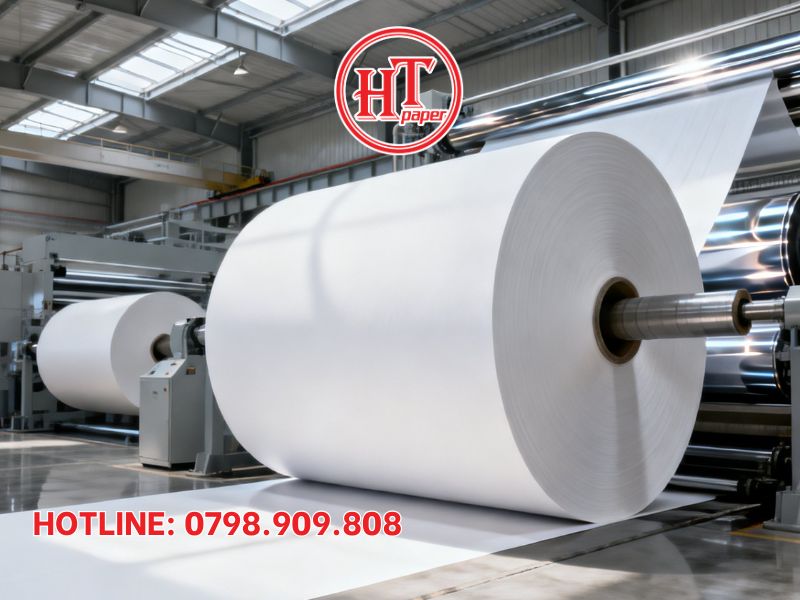
Trong thời đại công nghệ số hiện nay, khó mà có thể nói rằng, sẽ có một vật liệu mới thay thế cho giấy. Nhưng để tạo ra được một tờ giấy trắng từ những thân gỗ thô cứng là cả một quy trình kỹ thuật phức tạp đòi hỏi sự chuẩn xác tuyệt đối. Bài viết này sẽ giải mã quy trình sản xuất giấy hiện đại qua 6 bước cốt lõi.
.jpg)
Trong kỹ thuật may công nghiệp, việc chọn đúng loại giấy sơ đồ (Marker Paper) là yếu tố then chốt để đảm bảo độ chính xác của mẫu rập và tuổi thọ của máy vẽ sơ đồ (Plotter). Dù trên thị trường có nhiều loại, nhưng hai dòng giấy sơ đồ trắng và vàng vẫn luôn khiến các nhà quản lý thu mua phải cân nhắc. Bài viết này sẽ giúp bạn phân loại và lựa chọn đúng dựa trên nhu cầu thực tế tại xưởng.
/giay-duc-lo-nganh-may.jpg)