Exploring Khadi Paper of India
Khadi paper is a traditional handmade paper of India, renowned for its natural beauty, high durability, and deep cultural significance. This type of paper is not only widely used in artistic practices but is also closely connected to the country’s history and spiritual life.
Introduction to Indian Khadi Paper
Indian Khadi paper is a traditional handmade paper made from natural fibers such as cotton, hemp, or silk, without modern industrial processing. When held in hand, Khadi paper offers a rustic, organic feel that reflects the essence of India’s traditional craftsmanship. It represents a respect for ancient papermaking methods and a commitment to preserving cultural and environmental values.
In the modern era, Khadi paper has gone beyond being a simple handmade material to become a symbol of creativity and sustainability. The combination of tradition and innovation has helped Khadi paper establish a strong presence in the global arts and crafts community. Today, people are drawn to Khadi paper not only for its unique aesthetic qualities but also for its environmental sustainability and profound cultural meaning.
History and Origins of Khadi Paper
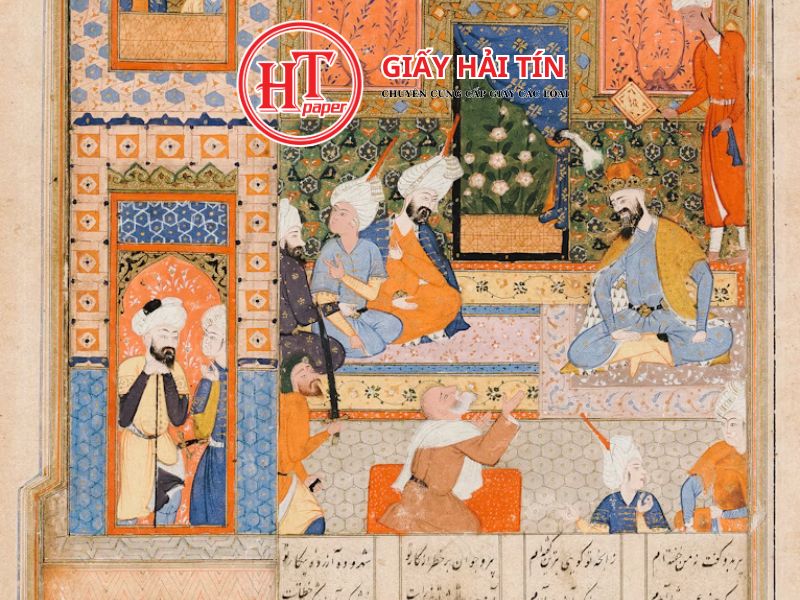
The history of Khadi paper dates back thousands of years to the traditional knowledge of local communities in India. Throughout the development of Indian civilization, handmade papermaking became an essential part of cultural, religious, and artistic activities. Natural materials such as cotton and hemp were traditionally used to create paper that suited the social and cultural needs of the time.
With the rise of the Indian independence movement and cultural revival, Khadi papermaking was restored and promoted as a symbol of self-reliance, tradition, and environmental consciousness. Mahatma Gandhi played a crucial role in elevating Khadi paper as a symbol of independence, representing self-sufficiency and national resilience. Over time, Khadi paper has maintained its role in daily life while expanding into contemporary art, where craftsmanship continues to hold a central position.
The Production Process of Indian Khadi Paper
The production of Khadi paper requires precision, patience, and a blend of traditional techniques and creativity. Natural materials such as cotton, hemp, bamboo, or silk are carefully selected and soaked in water to soften the fibers and remove impurities. The fibers are then ground into fine pulp, mixed with water and natural binding agents to form raw paper pulp.
What makes Khadi paper distinctive is its fully manual process. Artisans spread the pulp evenly onto mesh screens, then press and smooth the surface by hand. Drying occurs naturally under sunlight, preserving the fibers’ natural texture and subtle sheen. No harmful chemicals are used throughout the process, reflecting the “green and clean” philosophy and environmental awareness of this traditional craft.
Distinctive Characteristics of Khadi Paper
Khadi paper stands out for its rustic appearance, eco-friendly nature, and exceptional durability. One of its most appealing features is its uneven yet organic texture, which creates a natural and authentic tactile experience. Despite its delicate look, Khadi paper is strong, tear-resistant, and suitable for long-term artistic and creative projects, including painting, calligraphy, and fine handicrafts.
Additionally, Khadi paper has excellent absorbency and ink adhesion, allowing colors to appear rich and long-lasting without bleeding or fading over time. Its natural feel and aesthetic value contribute not only to visual appeal but also to deep cultural meaning. Khadi paper serves as a clear example of the harmony between tradition and contemporary art.
Uses of Khadi Paper in Art
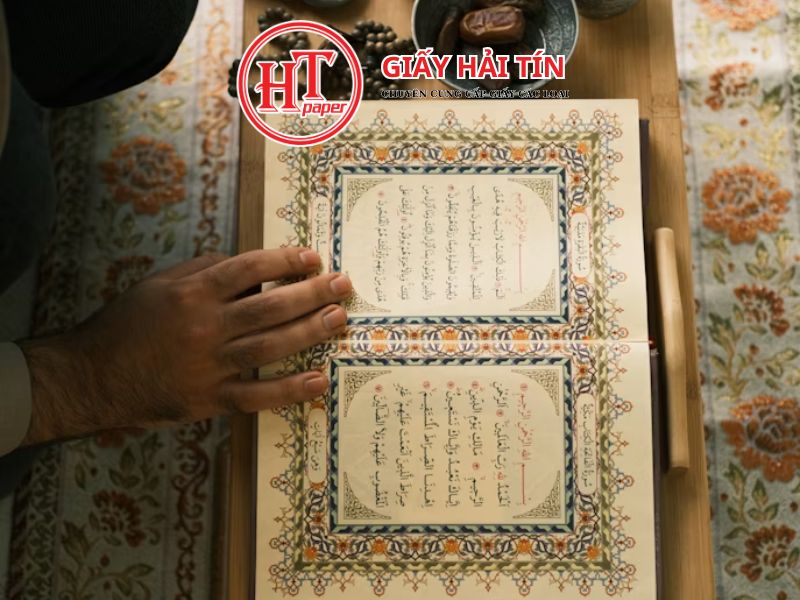
In the art world, Khadi paper is regarded as a premium material suited for creations that demand subtlety, authenticity, and uniqueness. Artists commonly use Khadi paper for painting, hand printing, calligraphy, and high-end crafts such as handmade cards, book covers, and interior decorations. Its absorbent nature and distinctive texture allow artists to express ideas freely without being limited by the material.
Khadi paper is also well suited to modern artistic styles such as minimalist, rustic, and nature-inspired displays. It is frequently used in eco-friendly projects that emphasize sustainability and resource awareness. Each artwork created on Khadi paper carries symbolic value, representing sustainability, resilience, and the rich cultural heritage of India.
Comparison Between Khadi Paper and Other Types of Paper
When compared to industrial or mass-produced printing paper, Khadi paper clearly stands out in both quality and cultural significance. Its natural, uneven texture adds emotional depth to artistic works, while industrial paper tends to be uniform, smooth, and reflective of convenience and mechanization.
The true strength of Khadi paper lies in its natural expression, long-term durability, and suitability for handmade and artistic activities. In contrast, industrial paper is more appropriate for large-scale, fast-paced production. Despite this, Khadi paper holds a special place in artistic creation, embodying cultural values and honoring India’s traditional craftsmanship.
Khadi Paper in Indian Culture
In Indian culture, Khadi paper is more than just a writing material; it symbolizes self-reliance and a deep connection to heritage. It is often used during festivals and religious activities for writing prayers, examination scripts, greeting cards, and traditional handicrafts. This cultural significance makes Khadi paper an integral part of spiritual and daily life.
Khadi paper is also closely linked to Mahatma Gandhi’s independence movement, as he promoted its use as a symbol of self-sufficiency and resistance to dependence on foreign industries. As a result, Khadi paper extends beyond art into a broader symbol of determination, resilience, and cultural identity, helping preserve India’s heritage across generations.
Famous Khadi Paper Workshops
Today, many traditional workshops across India continue to preserve and develop Khadi papermaking using ancient methods. Workshops in craft villages such as Varanasi, Kolkata, and northern regions are particularly well known for their skilled artisans and commitment to traditional techniques. These workshops not only serve the domestic market but also export internationally, promoting Indian craftsmanship worldwide.
These workshops also function as training centers, passing down papermaking skills to younger generations. Many artisans combine traditional methods with creative innovation, producing high-end handcrafted items such as thick-bound books, handmade artworks, and greeting cards. This blend of heritage and modern vision has helped Khadi paper regain a central role in contemporary art.
Current Trends in the Use of Khadi Paper
In the digital age, Khadi paper continues to hold a strong position in arts and crafts due to its sustainability, eco-friendly nature, and cultural value. Contemporary artists are increasingly drawn to Khadi paper for its minimalist, raw, and emotionally rich qualities, which bridge tradition and modern artistic trends. The growth of recycling, handmade, and environmentally conscious projects further elevates Khadi paper’s status in the global creative community.
This trend also supports educational initiatives that introduce traditional papermaking to younger generations, encouraging creativity through natural materials. Designers and craft businesses in India and abroad increasingly view Khadi paper as a sustainable and innovative solution, helping preserve and promote traditional craftsmanship in modern life.
Conclusion
Indian Khadi paper is not merely a traditional handmade product but a powerful symbol of culture, self-reliance, and environmental responsibility. From its ancient origins to its intricate handmade process, Khadi paper reflects the harmony between tradition and modern creativity. In art, it enables natural depth and sustainable expression while preserving cultural heritage. As interest continues to grow, Khadi paper remains one of India’s most meaningful and distinctive paper types, contributing to the artistic and sustainable development of the global handicraft industry.
Giấy dó từ lâu đã gắn liền với lịch sử văn hóa, nghệ thuật và thủ công truyền thống của người Việt. Giữa thời đại số hóa và sự lên ngôi của các loại giấy công nghiệp hiện đại, loại giấy làm từ vỏ cây thủ công này vẫn giữ một vị trí đặc biệt.
Bài viết này sẽ giúp bạn hiểu rõ bản chất giấy dó là gì, quy trình làm ra chúng cũng như giá trị thực tiễn và khả năng ứng dụng của giấy dó trong đời sống hiện đại.

Khi những xu hướng thiết kế hiện đại đang dần bị bão hòa bởi các chất liệu công nghiệp như fomat, mica hay nhựa tổng hợp, sự xuất hiện của triển lãm "Cóc Cốc Tùng Tùng" tại Đình Sơn Trà giống như một khoảng lặng đầy bất ngờ. Trái tim của không gian trưng bày năm nay — cụm tác phẩm "Cóc kiện trời" khổng lồ cùng hệ thống 21 chiếc lồng đèn thủ công — hoàn toàn được dựng lên từ những vật liệu cơ bản nhất: tre, trúc và giấy dó.
Dưới lăng kính của những người làm nghề và nghiên cứu vật liệu, đây không đơn thuần là một sản phẩm trang trí mùa lễ hội, mà là một bài toán kỹ thuật thực thụ về sức chịu lực và cấu trúc tạo hình.
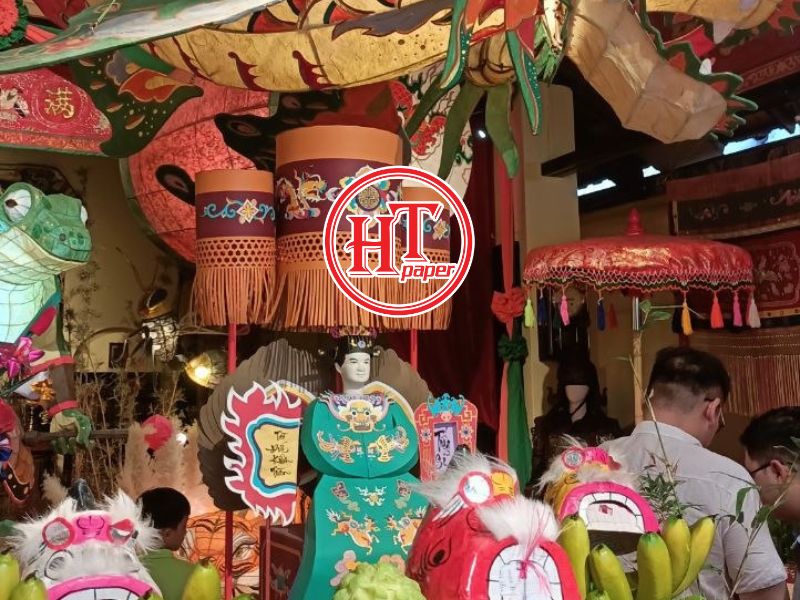
Giữa nhịp sống hối hả và có phần ngột ngạt của Sài Gòn, có những chốn dừng chân dường như tách biệt hoàn toàn với bên ngoài. Bước qua cánh cổng của ngôi đình cổ hơn 160 năm tuổi – Đình Sơn Trà trên đường Nguyễn Phi Khanh (quận 1) – cái nóng và tiếng xe cộ ngơ ngác lùi lại phía sau. Đón lấy chân mình là khoảng sân rợp bóng mát, nơi sự kiện triển lãm nghệ thuật Trung thu mang cái tên ngộ nghĩnh "Cóc Cốc Tùng Tùng" đang diễn ra.