

How Long Does Paper Take to Decompose?
There is no single fixed answer to the question “How long does paper take to decompose.” The timeframe varies depending on the type of paper, surface coatings, and environmental conditions (for example, oxygen-rich compost versus oxygen-poor landfills).
This article provides reference timelines, explains the key factors affecting decomposition, highlights paper commonly used in the garment industry, and suggests practical ways to handle and reuse paper waste.
Common Types of Paper and Their Decomposition Time
Uncoated / thin paper
(newspaper, plain paper, tissue)
→ Typically decomposes within 2–6 weeks under conditions with oxygen and active microorganisms.
Cardboard / thick kraft paper
(paperboard, cartons, boxes)
→ Takes several months (from about 2 months up to 1 year), depending on thickness and environment.
Coated paper
(laminated paper, PE-coated paper, waxed paper, silicone-coated or release paper)
→ Decomposes very slowly, potentially taking many months to several years, and may not fully decompose if the plastic layer remains intact.
Note: In oxygen-poor landfills, paper can persist much longer than in compost or microbe-rich soil.
Why Does Decomposition Time Vary?
Material composition & structure:
Paper made from pure cellulose breaks down faster than paper containing high lignin content or fillers.
Surface treatment:
Plastic coatings, wax, adhesives, or silicone layers (release liners) significantly slow decomposition.
Environment:
Oxygen-rich compost with proper moisture, temperature, and microbes → faster breakdown.
Oxygen-poor landfills → much slower.
Thickness & density:
Thin sheets (such as pelure paper) decompose faster than thick paperboard.
Paper Used in the Garment Industry: Types, Decomposition & Handling
The garment industry commonly uses several paper types, each requiring different handling methods:
1. Pattern Paper / Marker Paper
(tracing paper, butcher paper, kraft rolls)
Characteristics:
Available in various GSM (70–270gsm), usually uncoated. Used for pattern making and cutting tests.
Decomposition:
Uncoated → decomposes relatively quickly in compost (weeks to months, depending on GSM).
Ink-stained or coated → reduced compostability.
Recommended handling:
Reuse for lining or test cutting; separate contaminated sections (oil, adhesive) before recycling or composting.
2. Pelure Paper (Thin Wrapping Paper)
Characteristics:
Thin, soft, premium feel; typically made from easily degradable pulp.
Decomposition:
Breaks down quickly if uncoated (within weeks).
Handling:
Suitable for composting or reuse as protective lining or cushioning material.
3. Heat Transfer Paper
Characteristics:
Contains silicone or release coatings; used for decals and transfer printing.
Decomposition:
Slow due to surface coatings; not suitable for composting.
Handling:
Separate collection is recommended. Check with suppliers for take-back programs or send to specialized recycling or treatment facilities.
Practical Ways for Garment Factories to Reduce Paper Waste
Reuse before disposal:
Reuse used pattern paper for testing, lining, or packing — cost-effective and practical.
Source separation:
Clean paper → recycling or composting.
Coated or plastic-lined paper → separate collection.
Supplier negotiation:
Request uncoated paper or recycled pelure paper when possible.
Composting solutions:
Small factories can collaborate with local composting initiatives or nearby farms for clean paper waste.
Frequently Asked Questions (FAQ)
Q: Does plastic-coated paper decompose?
A: Yes, but very slowly due to the plastic layer. The plastic must be separated or treated in industrial facilities.
Q: Can oil-stained pattern paper go into compost?
A: Not recommended. Oil and chemicals reduce compost quality. Such paper should be separated and handled differently.
Q: Is pelure paper recyclable?
A: Usually yes, if it is not heavily inked. Pelure paper also decomposes quickly in compost.
Conclusion
In summary, uncoated paper typically decomposes quickly (from a few weeks to several months), while coated or plastic-lined paper decomposes slowly and requires specialized handling.
In the garment industry, prioritizing the reuse of pattern paper, proper waste separation, and choosing uncoated paper when possible are practical steps to reduce paper waste and improve sustainability.
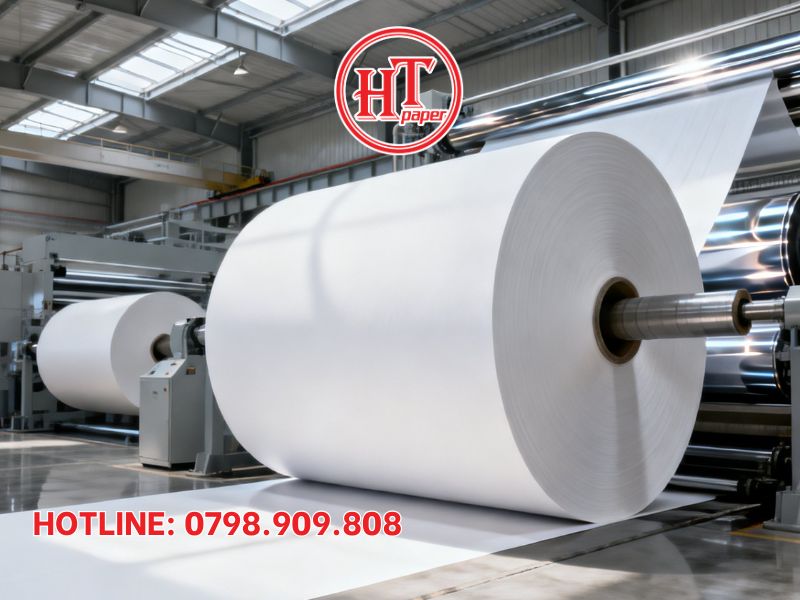
Trong thời đại công nghệ số hiện nay, khó mà có thể nói rằng, sẽ có một vật liệu mới thay thế cho giấy. Nhưng để tạo ra được một tờ giấy trắng từ những thân gỗ thô cứng là cả một quy trình kỹ thuật phức tạp đòi hỏi sự chuẩn xác tuyệt đối. Bài viết này sẽ giải mã quy trình sản xuất giấy hiện đại qua 6 bước cốt lõi.
.jpg)
Trong kỹ thuật may công nghiệp, việc chọn đúng loại giấy sơ đồ (Marker Paper) là yếu tố then chốt để đảm bảo độ chính xác của mẫu rập và tuổi thọ của máy vẽ sơ đồ (Plotter). Dù trên thị trường có nhiều loại, nhưng hai dòng giấy sơ đồ trắng và vàng vẫn luôn khiến các nhà quản lý thu mua phải cân nhắc. Bài viết này sẽ giúp bạn phân loại và lựa chọn đúng dựa trên nhu cầu thực tế tại xưởng.
/giay-duc-lo-nganh-may.jpg)