

What Is Perforated Paper in Garment Manufacturing?
Perforated paper in garment manufacturing is a specialized backing material used to optimize vacuum cutting systems when cutting multiple layers of fabric. Selecting the right type of perforated paper helps secure the fabric, reduce slippage, protect fabric surfaces, and improve cutting efficiency—ultimately saving costs and lowering production error rates.
What Is Perforated Paper?
Perforated paper is supplied in rolls or sheets with holes arranged in specific patterns to work with vacuum cutting tables. When placed beneath layers of fabric, the perforations allow airflow to pass through, creating even suction across the surface and holding multiple fabric layers firmly in place during the cutting process.
Structure and Key Characteristics
Perforated paper is commonly made from kraft paper, white paper, or paper with a thin PE coating for moisture resistance.
Its thickness typically ranges from approximately 30 GSM for lightweight applications to around 100 GSM for heavier or multi-layer cutting.
Roll widths are produced to match cutting tables and machines, such as 48-inch, 64-inch, or custom sizes.
Important performance characteristics include roll strength, moisture resistance, suction stability, and low dust generation during cutting.
Applications in the Garment Cutting Process
Perforated paper plays a critical role in holding multiple layers of fabric securely on vacuum tables, minimizing movement and cutting inaccuracies.
It enhances vacuum system efficiency, allowing cutting blades to operate more smoothly and precisely.
The paper also protects fabric surfaces from scratches caused by direct contact with the cutting table or blade.
By adjusting hole density and pattern, perforated paper can support cutting of special fabrics such as lightweight, slippery, or glossy materials.
Technical Specifications Managers Should Understand
Paper thickness (GSM) directly affects durability and should be selected based on the number of fabric layers being cut.
Hole size and perforation density have a significant impact on suction strength—thin fabrics require denser perforations, while thicker materials perform better with wider spacing.
Roll width must match the cutting table to reduce material waste.
Moisture resistance or PE coating is important in humid environments or facilities with limited storage conditions.
Low dust generation is essential, as poor-quality paper can release dust that affects machinery and production lines.
How to Select the Right Perforated Paper
First, identify the cutting machine and vacuum table specifications, including width and suction capacity.
Next, determine the primary fabric types used in production: lightweight fabrics such as cotton or silk require thinner paper with denser holes, while heavier fabrics like denim or canvas need thicker paper with wider hole spacing.
Define the maximum number of layers to be cut—higher layer counts require higher GSM paper and optimized perforation patterns.
It is strongly recommended to test small samples with different specifications before purchasing in large quantities.
When placing orders, clearly specify GSM, hole size and density, roll width, and storage requirements.
Economic Benefits of Using the Correct Perforated Paper
Using the appropriate perforated paper reduces fabric waste caused by cutting errors.
Stable vacuum performance improves productivity and reduces downtime for adjustments.
Over time, factories benefit from lower blade wear, reduced rework, and simplified procurement once paper standards are established.
Operation and Storage Guidelines
Perforated paper should be stored in a dry area, protected from direct sunlight and humidity.
Rolls must be kept clean to prevent debris or fabric fibers from blocking perforations.
Regular inspections are recommended, as aged paper may tear and reduce suction performance.
Staff should be trained on proper paper placement, roll replacement, and width checks to avoid unnecessary waste.
Conclusion
To optimize cutting performance, manufacturers should evaluate cutting machines and core fabric types, then define clear technical requirements for perforated paper, including GSM, roll width, and perforation pattern.
Testing multiple sample options under real production conditions is essential before standardizing procurement.
Once standardized, clear specifications allow suppliers to deliver consistent quality and make reordering more efficient.
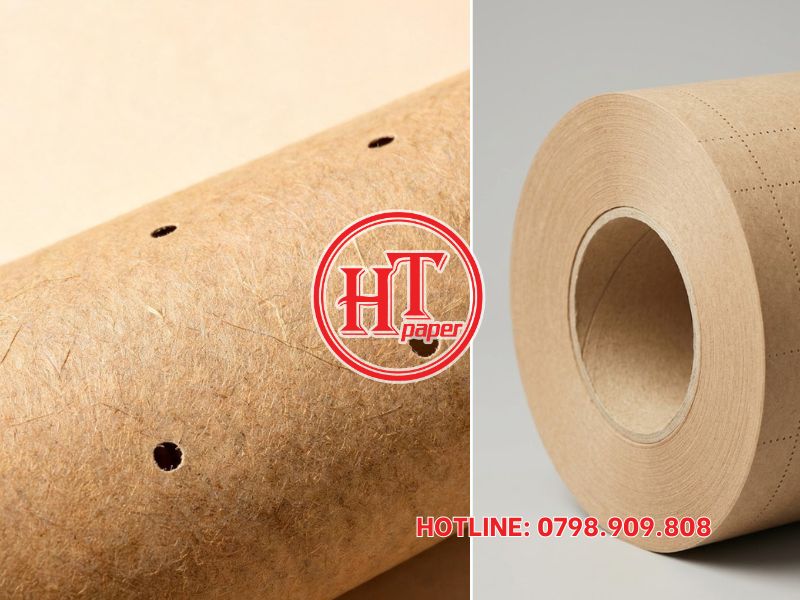
Trong dây chuyền sản xuất may mặc công nghiệp, sự xuất hiện của các dòng máy cắt vải tự động CNC (đến từ các thương hiệu hàng đầu như Lectra, Gerber, Bullmer, Kuris...) đã tạo ra bước tiến vượt bậc về năng suất và độ chính xác. Tuy nhiên, để hệ thống cắt tự động vận hành trơn tru và đạt hiệu quả tối đa, việc sử dụng giấy đục lỗ hút chân không ở lớp đáy bàn cắt là một yêu cầu kỹ thuật bắt buộc.
Vậy nguyên lý hoạt động đằng sau vật tư này là gì? Tại sao các xưởng may không thể thay thế bằng giấy phẳng thông thường? Hãy cùng Giấy Hải Tín phân tích chi tiết qua bài viết dưới đây.
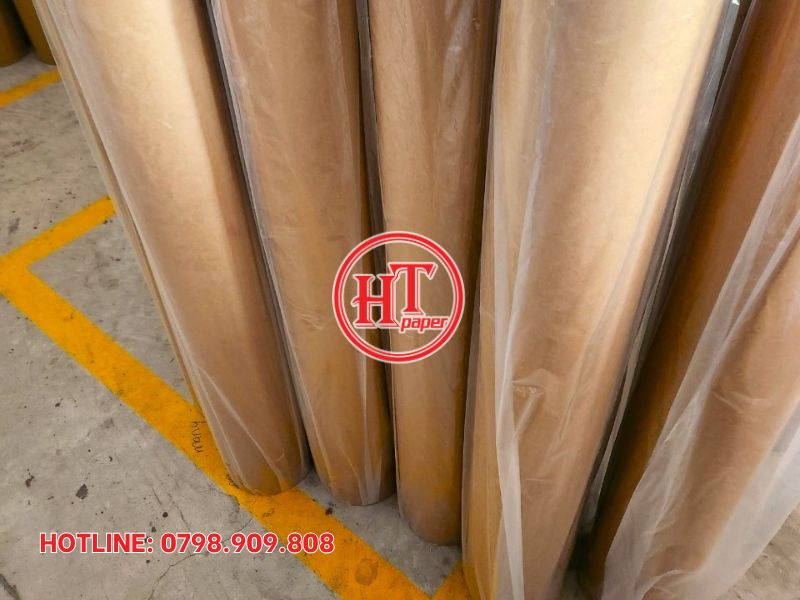
Trong quy trình sản xuất may công nghiệp, việc tạo nên những bộ mẫu chuẩn form, sắc nét và có thể tái sử dụng nhiều lần là yếu tố quyết định đến độ chính xác của toàn bộ lô hàng. Đóng vai trò cho khâu thiết kế mẫu, giấy rập chính là vật tư không thể thiếu tại mọi phòng kỹ thuật và xưởng may.
Nếu bạn đang tìm kiếm nguồn giấy rập ngành may chất lượng cao, định lượng chuẩn với giá sỉ tối ưu tại TP.HCM, hãy cùng Giấy Hải Tín tìm hiểu chi tiết qua bài viết dưới đây.
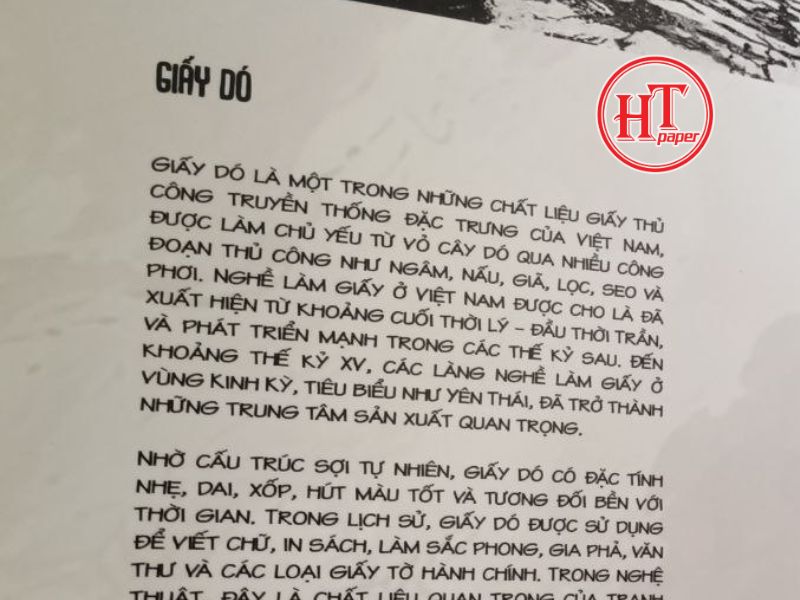
Giấy dó từ lâu đã gắn liền với lịch sử văn hóa, nghệ thuật và thủ công truyền thống của người Việt. Giữa thời đại số hóa và sự lên ngôi của các loại giấy công nghiệp hiện đại, loại giấy làm từ vỏ cây thủ công này vẫn giữ một vị trí đặc biệt.
Bài viết này sẽ giúp bạn hiểu rõ bản chất giấy dó là gì, quy trình làm ra chúng cũng như giá trị thực tiễn và khả năng ứng dụng của giấy dó trong đời sống hiện đại.

Khi những xu hướng thiết kế hiện đại đang dần bị bão hòa bởi các chất liệu công nghiệp như fomat, mica hay nhựa tổng hợp, sự xuất hiện của triển lãm "Cóc Cốc Tùng Tùng" tại Đình Sơn Trà giống như một khoảng lặng đầy bất ngờ. Trái tim của không gian trưng bày năm nay — cụm tác phẩm "Cóc kiện trời" khổng lồ cùng hệ thống 21 chiếc lồng đèn thủ công — hoàn toàn được dựng lên từ những vật liệu cơ bản nhất: tre, trúc và giấy dó.
Dưới lăng kính của những người làm nghề và nghiên cứu vật liệu, đây không đơn thuần là một sản phẩm trang trí mùa lễ hội, mà là một bài toán kỹ thuật thực thụ về sức chịu lực và cấu trúc tạo hình.