

What Is Perforated Paper in Garment Manufacturing?
Perforated paper in garment manufacturing is a specialized backing material used to optimize vacuum cutting systems when cutting multiple layers of fabric. Selecting the right type of perforated paper helps secure the fabric, reduce slippage, protect fabric surfaces, and improve cutting efficiency—ultimately saving costs and lowering production error rates.
What Is Perforated Paper?
Perforated paper is supplied in rolls or sheets with holes arranged in specific patterns to work with vacuum cutting tables. When placed beneath layers of fabric, the perforations allow airflow to pass through, creating even suction across the surface and holding multiple fabric layers firmly in place during the cutting process.
Structure and Key Characteristics
Perforated paper is commonly made from kraft paper, white paper, or paper with a thin PE coating for moisture resistance.
Its thickness typically ranges from approximately 30 GSM for lightweight applications to around 100 GSM for heavier or multi-layer cutting.
Roll widths are produced to match cutting tables and machines, such as 48-inch, 64-inch, or custom sizes.
Important performance characteristics include roll strength, moisture resistance, suction stability, and low dust generation during cutting.
Applications in the Garment Cutting Process
Perforated paper plays a critical role in holding multiple layers of fabric securely on vacuum tables, minimizing movement and cutting inaccuracies.
It enhances vacuum system efficiency, allowing cutting blades to operate more smoothly and precisely.
The paper also protects fabric surfaces from scratches caused by direct contact with the cutting table or blade.
By adjusting hole density and pattern, perforated paper can support cutting of special fabrics such as lightweight, slippery, or glossy materials.
Technical Specifications Managers Should Understand
Paper thickness (GSM) directly affects durability and should be selected based on the number of fabric layers being cut.
Hole size and perforation density have a significant impact on suction strength—thin fabrics require denser perforations, while thicker materials perform better with wider spacing.
Roll width must match the cutting table to reduce material waste.
Moisture resistance or PE coating is important in humid environments or facilities with limited storage conditions.
Low dust generation is essential, as poor-quality paper can release dust that affects machinery and production lines.
How to Select the Right Perforated Paper
First, identify the cutting machine and vacuum table specifications, including width and suction capacity.
Next, determine the primary fabric types used in production: lightweight fabrics such as cotton or silk require thinner paper with denser holes, while heavier fabrics like denim or canvas need thicker paper with wider hole spacing.
Define the maximum number of layers to be cut—higher layer counts require higher GSM paper and optimized perforation patterns.
It is strongly recommended to test small samples with different specifications before purchasing in large quantities.
When placing orders, clearly specify GSM, hole size and density, roll width, and storage requirements.
Economic Benefits of Using the Correct Perforated Paper
Using the appropriate perforated paper reduces fabric waste caused by cutting errors.
Stable vacuum performance improves productivity and reduces downtime for adjustments.
Over time, factories benefit from lower blade wear, reduced rework, and simplified procurement once paper standards are established.
Operation and Storage Guidelines
Perforated paper should be stored in a dry area, protected from direct sunlight and humidity.
Rolls must be kept clean to prevent debris or fabric fibers from blocking perforations.
Regular inspections are recommended, as aged paper may tear and reduce suction performance.
Staff should be trained on proper paper placement, roll replacement, and width checks to avoid unnecessary waste.
Conclusion
To optimize cutting performance, manufacturers should evaluate cutting machines and core fabric types, then define clear technical requirements for perforated paper, including GSM, roll width, and perforation pattern.
Testing multiple sample options under real production conditions is essential before standardizing procurement.
Once standardized, clear specifications allow suppliers to deliver consistent quality and make reordering more efficient.
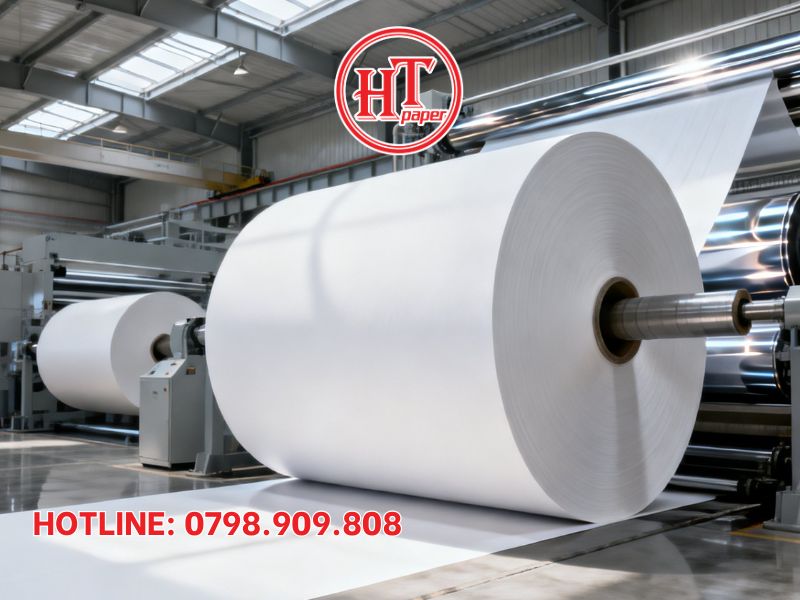
Trong thời đại công nghệ số hiện nay, khó mà có thể nói rằng, sẽ có một vật liệu mới thay thế cho giấy. Nhưng để tạo ra được một tờ giấy trắng từ những thân gỗ thô cứng là cả một quy trình kỹ thuật phức tạp đòi hỏi sự chuẩn xác tuyệt đối. Bài viết này sẽ giải mã quy trình sản xuất giấy hiện đại qua 6 bước cốt lõi.
.jpg)
Trong kỹ thuật may công nghiệp, việc chọn đúng loại giấy sơ đồ (Marker Paper) là yếu tố then chốt để đảm bảo độ chính xác của mẫu rập và tuổi thọ của máy vẽ sơ đồ (Plotter). Dù trên thị trường có nhiều loại, nhưng hai dòng giấy sơ đồ trắng và vàng vẫn luôn khiến các nhà quản lý thu mua phải cân nhắc. Bài viết này sẽ giúp bạn phân loại và lựa chọn đúng dựa trên nhu cầu thực tế tại xưởng.
/giay-duc-lo-nganh-may.jpg)