
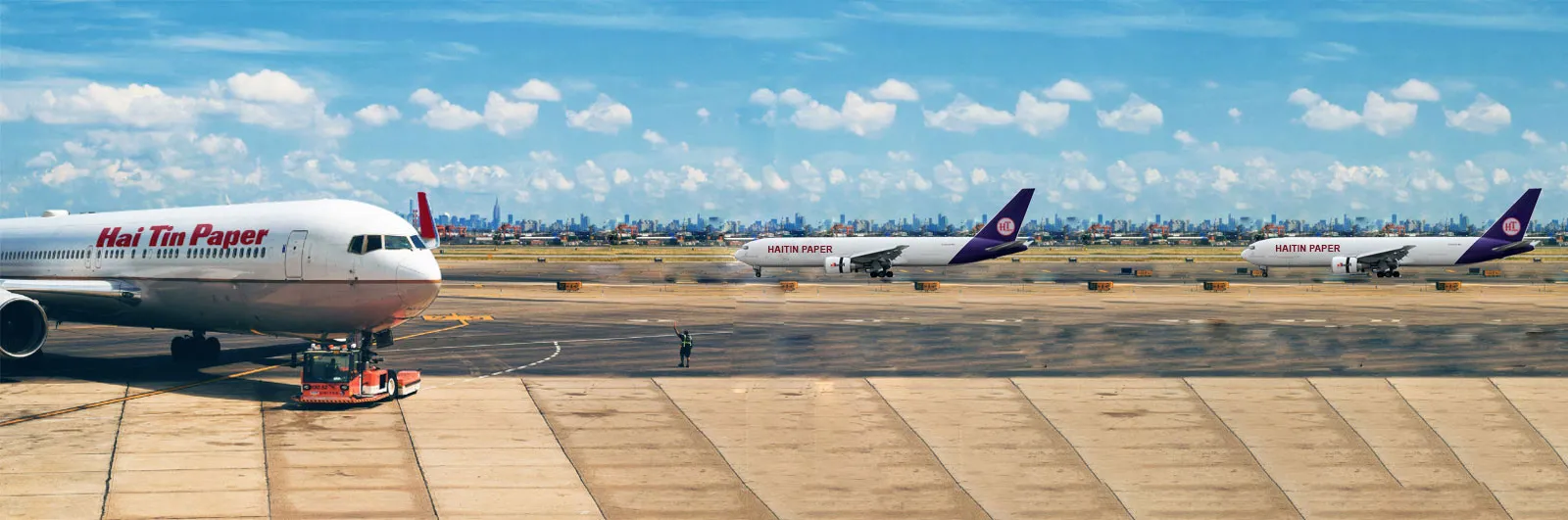
Textile Accessories and Supply Capabilities of Hải Tín Company
The phrase "distant water cannot put out a nearby fire" aptly describes the textile industry’s urgent challenges—rising input costs and fierce competition from other countries. Thus, 2016 is expected to be a difficult year for Vietnamese textile enterprises.
The textile and garment sector is among the most affected by the Trans-Pacific Partnership (TPP) and free trade agreements coming into effect. To benefit from the opportunities brought by these agreements, Vietnamese textile and garment suppliers and exporters must fully comply with the agreements’ regulations, especially regarding the origin of raw materials like industry-specific paper, a major challenge for textile companies.
According to many economic experts, rules of origin are the most significant aspect of free trade agreements. These rules help determine whether imported and exported goods qualify for preferential tariffs, maintaining a reasonable balance between trade facilitation and preventing trade fraud, while assessing the extent to which members utilize free trade agreement benefits.
With the TPP and other Vietnamese free trade agreements coming into effect, many Vietnamese textile exports to the U.S., the EU, Japan, South Korea, and more will enjoy tariff incentives, giving a significant advantage over other textile-exporting nations.
Recognizing these challenges, Hải Tín Company has diversified its range of paper products to meet the demands of clients, particularly in the garment sector, assisting companies in reducing costs on imported paper.
Our team of dedicated, professional, and experienced staff in the textile and related paper industries is ready to assist clients in choosing products with the best features and optimal functionality for their specific needs. This high-quality support ensures cost-effectiveness, maximizes efficiency, and guarantees satisfaction with every interaction with Hải Tín.
Representative products that help textile companies minimize costs on accessories include yellow pattern paper, white pattern paper, and fabric-laying paper.
In addition to our traditional products for the textile industry, Hải Tín also supplies paper for the footwear, backpack, bag, and packaging industries, including products such as Pelure paper, Duplex paper, wrapping paper, cotton paper, shoe-stuffing paper, and stuffing paper.
Contact Information:
Phone: (028) 626.947.58
Business Department: 8:00 am - 05:30 pm (Except Sunday)
--------------------------------------------------------------------------------------------
Hotline:
CHINESE : 0938 808 998
ENGLISH : 0799.909.808
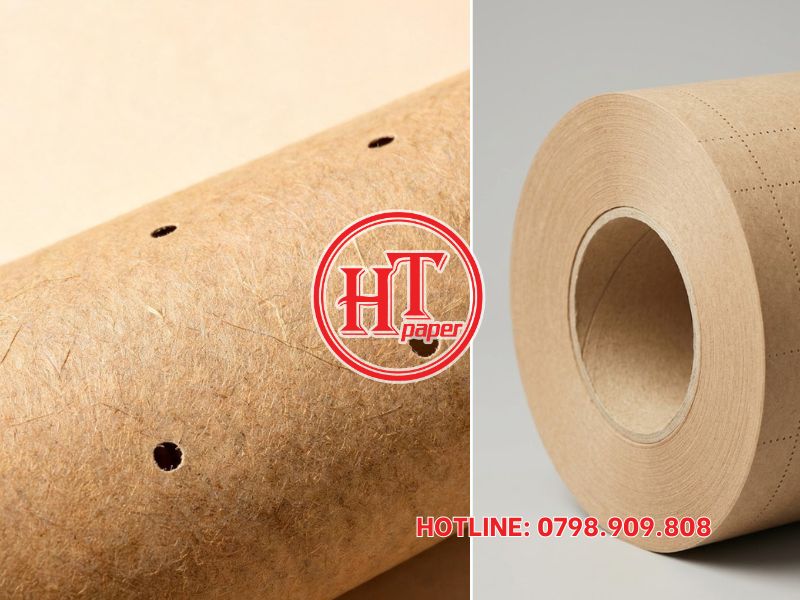
Tại Sao Máy Cắt Tự Động Phải Dùng Giấy Đục Lỗ Hút Chân Không?
Trong dây chuyền sản xuất may mặc công nghiệp, sự xuất hiện của các dòng máy cắt vải tự động CNC (đến từ các thương hiệu hàng đầu như Lectra, Gerber, Bullmer, Kuris...) đã tạo ra bước tiến vượt bậc về năng suất và độ chính xác. Tuy nhiên, để hệ thống cắt tự động vận hành trơn tru và đạt hiệu quả tối đa, việc sử dụng giấy đục lỗ hút chân không ở lớp đáy bàn cắt là một yêu cầu kỹ thuật bắt buộc.
Vậy nguyên lý hoạt động đằng sau vật tư này là gì? Tại sao các xưởng may không thể thay thế bằng giấy phẳng thông thường? Hãy cùng Giấy Hải Tín phân tích chi tiết qua bài viết dưới đây.
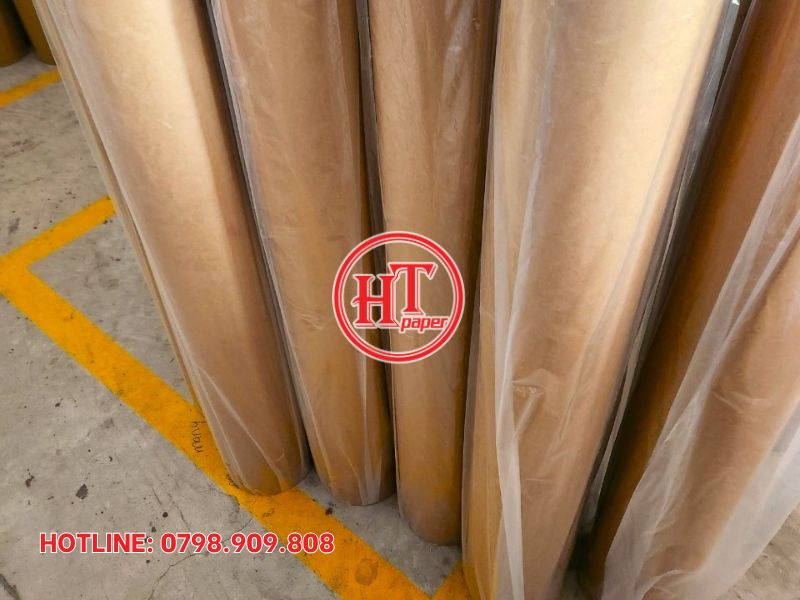
Giấy Rập Ngành May TP.HCM – Giấy Hải Tín Cung Cấp Giấy Ngành May
Trong quy trình sản xuất may công nghiệp, việc tạo nên những bộ mẫu chuẩn form, sắc nét và có thể tái sử dụng nhiều lần là yếu tố quyết định đến độ chính xác của toàn bộ lô hàng. Đóng vai trò cho khâu thiết kế mẫu, giấy rập chính là vật tư không thể thiếu tại mọi phòng kỹ thuật và xưởng may.
Nếu bạn đang tìm kiếm nguồn giấy rập ngành may chất lượng cao, định lượng chuẩn với giá sỉ tối ưu tại TP.HCM, hãy cùng Giấy Hải Tín tìm hiểu chi tiết qua bài viết dưới đây.
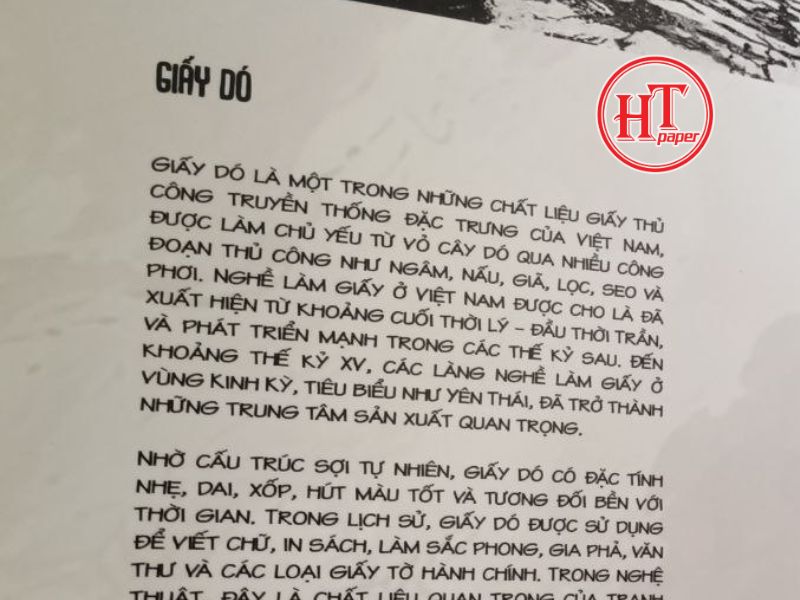
Giấy Dó - Loại Giấy Có Lịch Sử Hàng Trăm Năm
Giấy dó từ lâu đã gắn liền với lịch sử văn hóa, nghệ thuật và thủ công truyền thống của người Việt. Giữa thời đại số hóa và sự lên ngôi của các loại giấy công nghiệp hiện đại, loại giấy làm từ vỏ cây thủ công này vẫn giữ một vị trí đặc biệt.
Bài viết này sẽ giúp bạn hiểu rõ bản chất giấy dó là gì, quy trình làm ra chúng cũng như giá trị thực tiễn và khả năng ứng dụng của giấy dó trong đời sống hiện đại.

Linh Hồn Giấy Dó Dưới Mái Đình 160 Năm
Khi những xu hướng thiết kế hiện đại đang dần bị bão hòa bởi các chất liệu công nghiệp như fomat, mica hay nhựa tổng hợp, sự xuất hiện của triển lãm "Cóc Cốc Tùng Tùng" tại Đình Sơn Trà giống như một khoảng lặng đầy bất ngờ. Trái tim của không gian trưng bày năm nay — cụm tác phẩm "Cóc kiện trời" khổng lồ cùng hệ thống 21 chiếc lồng đèn thủ công — hoàn toàn được dựng lên từ những vật liệu cơ bản nhất: tre, trúc và giấy dó.
Dưới lăng kính của những người làm nghề và nghiên cứu vật liệu, đây không đơn thuần là một sản phẩm trang trí mùa lễ hội, mà là một bài toán kỹ thuật thực thụ về sức chịu lực và cấu trúc tạo hình.